

3D Printer Plastics Scientific Tests & Properties
Started 1y. Edited 7moStarted almost 2 years ago. Last edit 7 months ago



Other
Completed
researchinjectionPPHDPEmeltingLDPE
More Information


%20--%3e%3csvg%20version='1.1'%20id='Layer_1'%20xmlns='http://www.w3.org/2000/svg'%20xmlns:xlink='http://www.w3.org/1999/xlink'%20x='0px'%20y='0px'%20viewBox='0%200%2064%2063'%20style='enable-background:new%200%200%2064%2063;'%20xml:space='preserve'%3e%3cstyle%20type='text/css'%3e%20.st0{fill:%23231F20;}%20%3c/style%3e%3cdesc%3eCreated%20with%20Sketch.%3c/desc%3e%3cg%20id='Page-1'%3e%3cg%20id='OA-Logo-Black-Background'%3e%3cpath%20id='Shape'%20class='st0'%20d='M14.1,30.1c-1.5-0.8-8.6-3.8-14.1-7.8c1.8-3.4,3.1-5.6,5-9.1c2.7,1.1,1.9,0.5,4.6,1.7%20c0.8,0.4,10.1,4.5,13.8,6.2c2.4,1.1,4.7,2.2,7,3.3L43,30.5l8.1,3.9c4,2,7.2,3.5,11.3,5.5c0.5,0.3-3.7,9.4-3.7,9.4%20c-1.7-0.6-3.9-1.8-5.5-2.5c-4.7-2.1-9-3.9-13.7-6c-4-1.8-6.7-2.9-10.8-4.5C25,34.9,17.1,31.6,14.1,30.1z'/%3e%3cpath%20id='Shape_1_'%20class='st0'%20d='M12.1,54.9c-0.8,0.6-1.6,1.2-2.5,1.6c-0.4-0.5-0.9-1-1.3-1.5c-0.3-1.2-2.3-4.9-2.7-6.2%20c-0.1-0.4-0.7-2.2-0.8-2.6c0,0,5-3.4,8.2-5.9c3.2-2.6,6.2-5,9.3-7.5c1.4-1.1,3.9-2.5,5.3-3.5c2.5-1.7,13-9.1,15.6-10.5%20c5.4-3.3,11.1-6.3,16.8-9c1.7,3.5,1.8,3,3.8,6.9c0,0-17.8,13.5-22.7,17.1c-3.8,2.8-7.5,5.7-11.3,8.5c-1.7,1.3-3.5,2.4-5.2,3.7'/%3e%3cpath%20id='Shape_2_'%20class='st0'%20d='M20.8,2.9l-0.2-0.8C25,0,31.2-0.3,31.4,0.2c0.4,1.1,0.9,2.2,1.2,3.4c1.4,4.4,2.7,8.7,4,13.1%20c0.4,1.4,2.8,10,2.9,10.5c0.5,2.8,1.2,5.6,1.6,8.4c0.8,4.7,1.4,8.6,2.3,13.3c0.6,3.1,1.3,6.3,2.3,11.3c0,0-5.8,1.4-7.5,1.8%20c-0.8,0.2-1.5,0.4-2.4,0.6c-0.3-1.1-0.2-1.2-0.5-2.1c-0.9-3.7-1.8-7.3-2.6-11c-1.5-6.4-3-12.9-4.4-19.3%20c-1.2-5.4-2.6-10.7-4.4-15.9c-1-3.1-1.8-6.3-2.7-9.5C21.1,3.8,21,3.8,20.8,2.9z'/%3e%3c/g%3e%3c/g%3e%3c/svg%3e)


1
Progress on Developing Material Property Tests
Published 1y. Edited 1yPublished almost 2 years ago. Last edit almost 2 years ago
Following up on our previous post about the need for a deeper understanding of 3D printer material properties, we’re excited to share some progress on the standardization and development of our testing protocols. Over the past month, our team has been hard at work designing and refining tests that will provide the crucial data needed to better understand the plastics we use.
Impact Strength Test
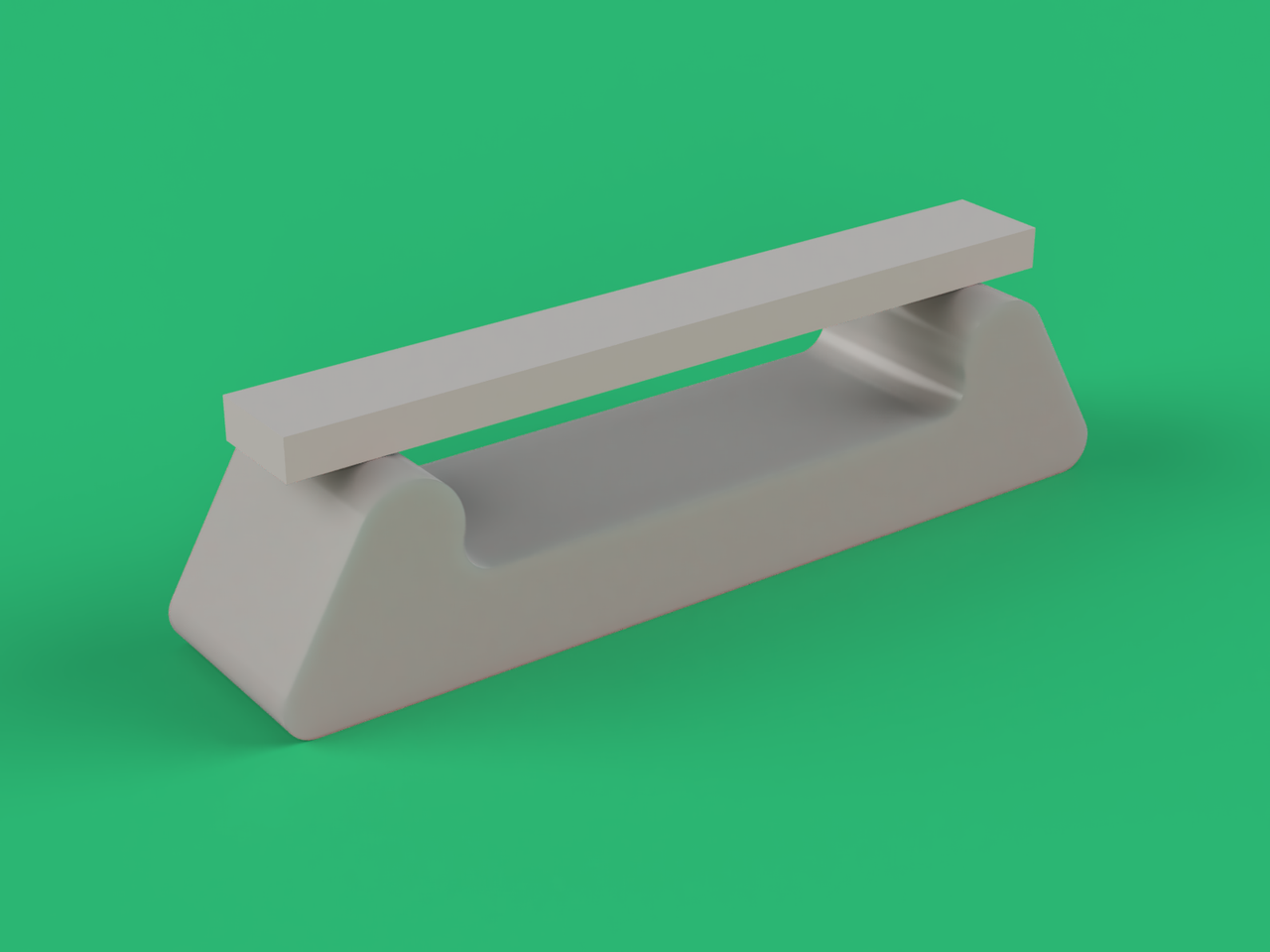
One of the critical tests we’ve developed is the Impact Strength Test, designed to adhere as closely as possible to ISO 180 standards. The goal here is to measure the impact strength of different materials by striking a notched specimen with a controlled force. Our setup is pretty sleek: a vice designed specifically to hold the specimen in perfect alignment with the striker, which is engineered to hit at exactly 22 mm above the vice with a precision that would make any engineer proud. The modular design of the striker even allows us to adjust its mass, providing flexibility across various materials. We’ve designed the setup to be easily replicable, ensuring consistent results across different labs or setups.
Flexural Bending Test
We’ve also made significant strides in the Flexural Bending Test, which measures the stiffness of the materials—a critical factor in determining their usability in load-bearing applications. This test follows the principles laid out in ISO 178 and involves a three-point bend test where the specimen is subjected to a downward force at its midpoint. Our innovative setup includes 3D printed structures to support the test, with precise measurements ensuring accurate deflection readings. The test apparatus has been designed to be user-friendly while maintaining the strict requirements needed for reliable data.
Heat Deflection Temperature Test
We initially aimed to replicate the ISO 75 standard for Heat Deflection Temperature (HDT) testing, but due to safety concerns and the complexity of the setup, we opted for a modified approach. Our new method involves a safer, more replicable process that still yields valuable insights into how our materials perform under heat. A custom-designed frame, made from ultra-high-temperature resin, allows us to perform a three-point bend test while gradually heating the specimen. The moment the specimen deflects by 10 mm, we measure the temperature, providing a practical estimate of its heat resistance.
Material Flow Test
Finally, we’ve devised a Material Flow Test to measure how well different plastics move under pressure—a crucial factor for 3D printing. The test uses a specially designed mold that challenges the material to navigate a maze-like path, with sections of varying thickness to see how thin and far it can flow. This test is essential for understanding the material’s behavior during the printing process and will directly inform the optimal settings for different plastics.


2
Whats Next?
Published 1yPublished almost 2 years ago
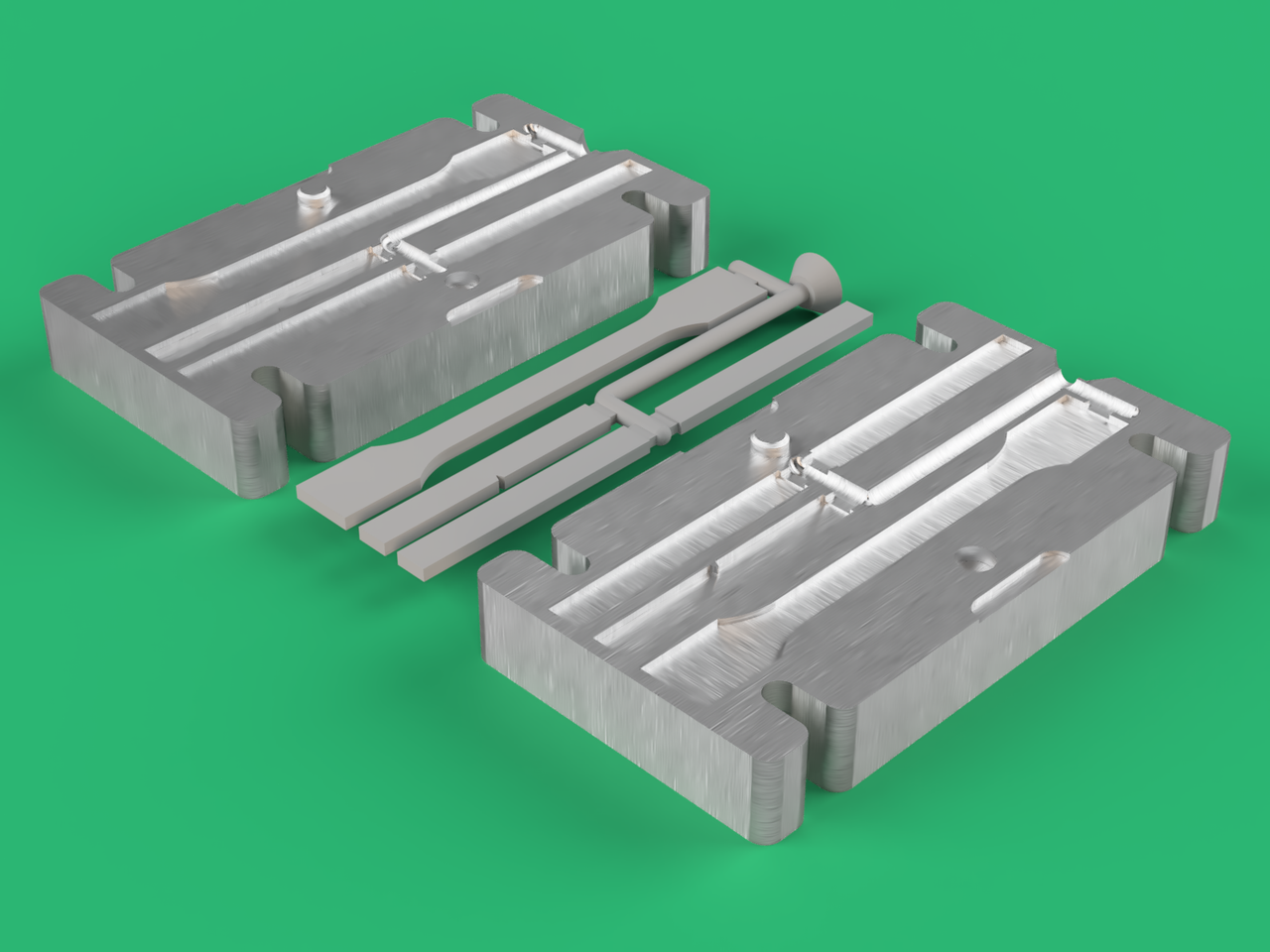
Right now we are currently 3D printing all the design elements for the machines for assembly and fabricating the relevant CNC Aluminium Moulds to create the test samples.
3
The moulds are made!
Published 1yPublished over 1 year ago
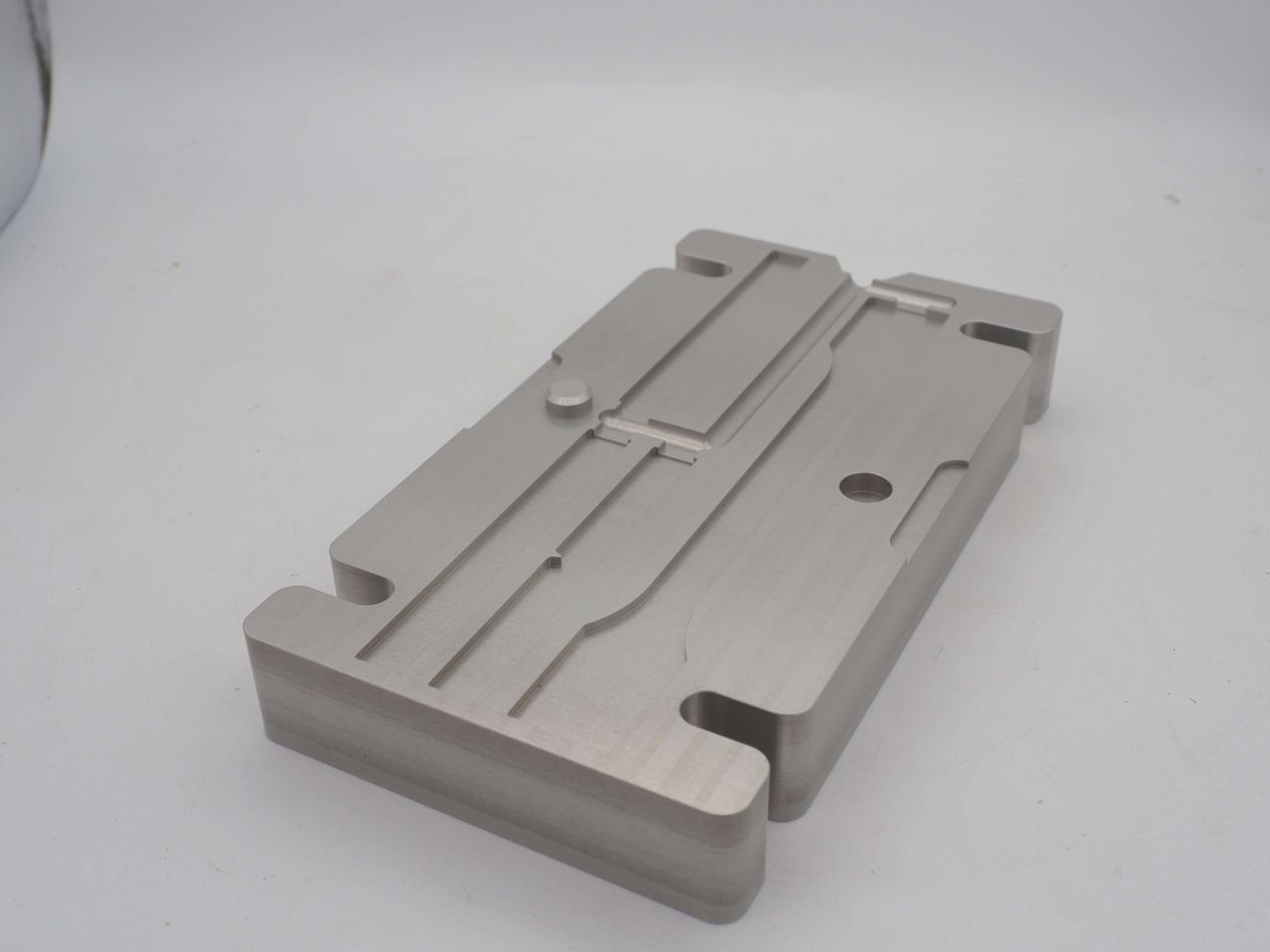
The moulds have now been fabricated and we have begun the basic tests. These two moulds include the standard dog bone, and break/bend test samples we need.
At this stage, we are just injecting PP from Black DVD cases to see how the material flows using our Injection Mini machine (https://www.sustainabledesign.studio/injectionmini).
The Pneumatic Injection Machine is a key reason we can do these tests, as until now most precious plastic machines have been human-powered, which unfortunately means that there would be far too many variables between the tests.
The key will be to decide on the key control variables for all future injections.
We will need to be able to maintain the following:
- Injection Pressure
- Melt Time
- Mould Temperature
- Hold Time
We haven't decided on if the following will be fixed as we likely vary with the material:
- Melt Temperature
4
Plastic Testing!
Published 1y. Edited 1yPublished over 1 year ago. Last edit over 1 year ago
Over the last week, we have been testing the moulds to see how different variables affect the results to help decide on the final process. With a few test samples, we have chosen the final conditions that will remain constant for all future testing.
These conditions will be as follows:
Machine: Sustainable Design Studio - Injection Mini
This machine is what we have available to us but it offers very consistent results based on our testing.
Melt Time: 10min
This will need to remain constant and from experience is the ideal amount of time to see a consistent melt throughout the barrel volume.
Injection Pressure: 120psi
Although this is machine-specific. We can consistently keep it at 120psi for testing with our 10 Bar compressor.
Mould temperature: 45-55c
This from our testing is a good stable temperature that is easy to reach and doesn't make the mould too hot to handle with gloves. It also has good results. Variation of mould temperature within this range doesn't seem to cause issues.
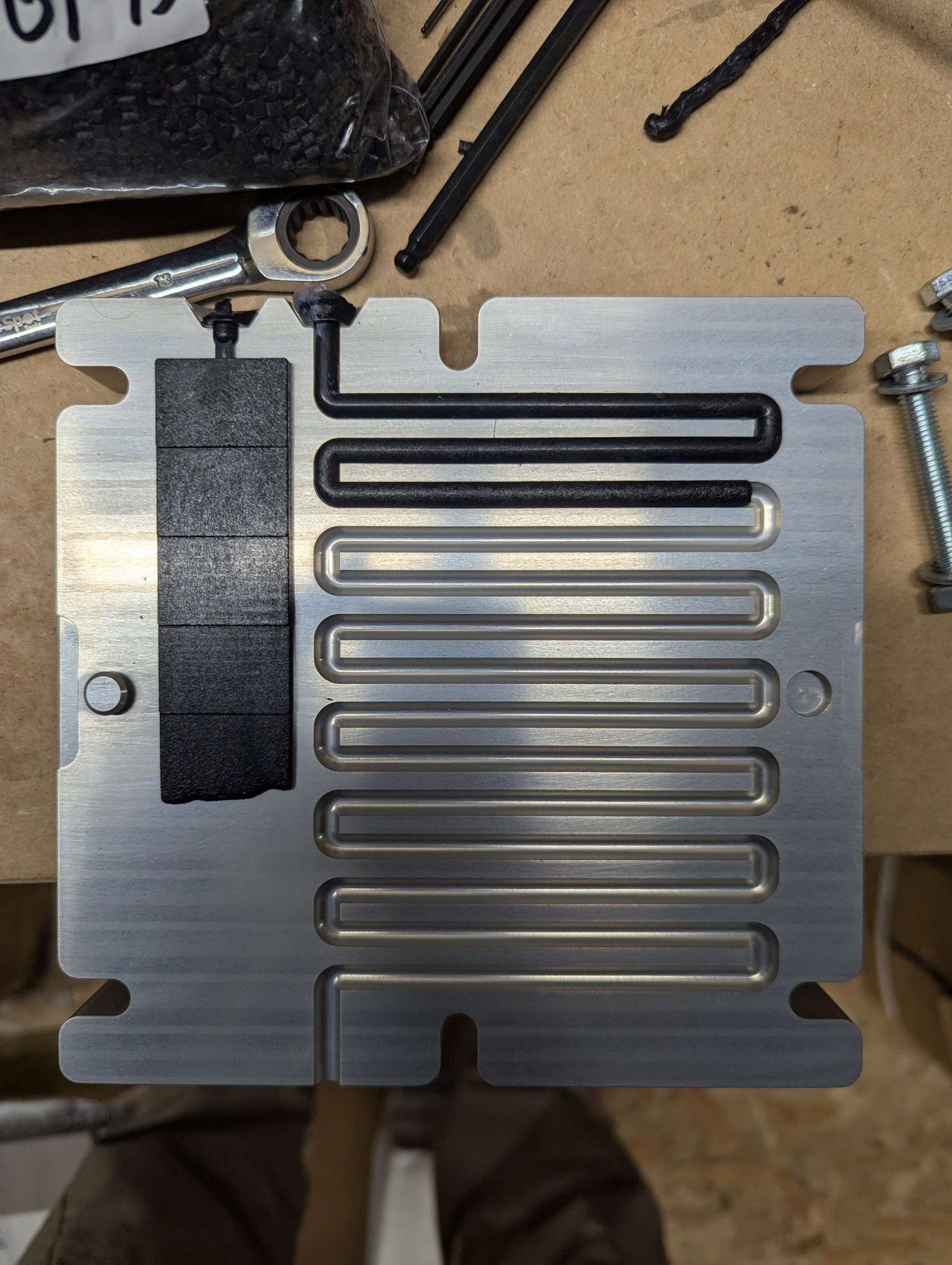
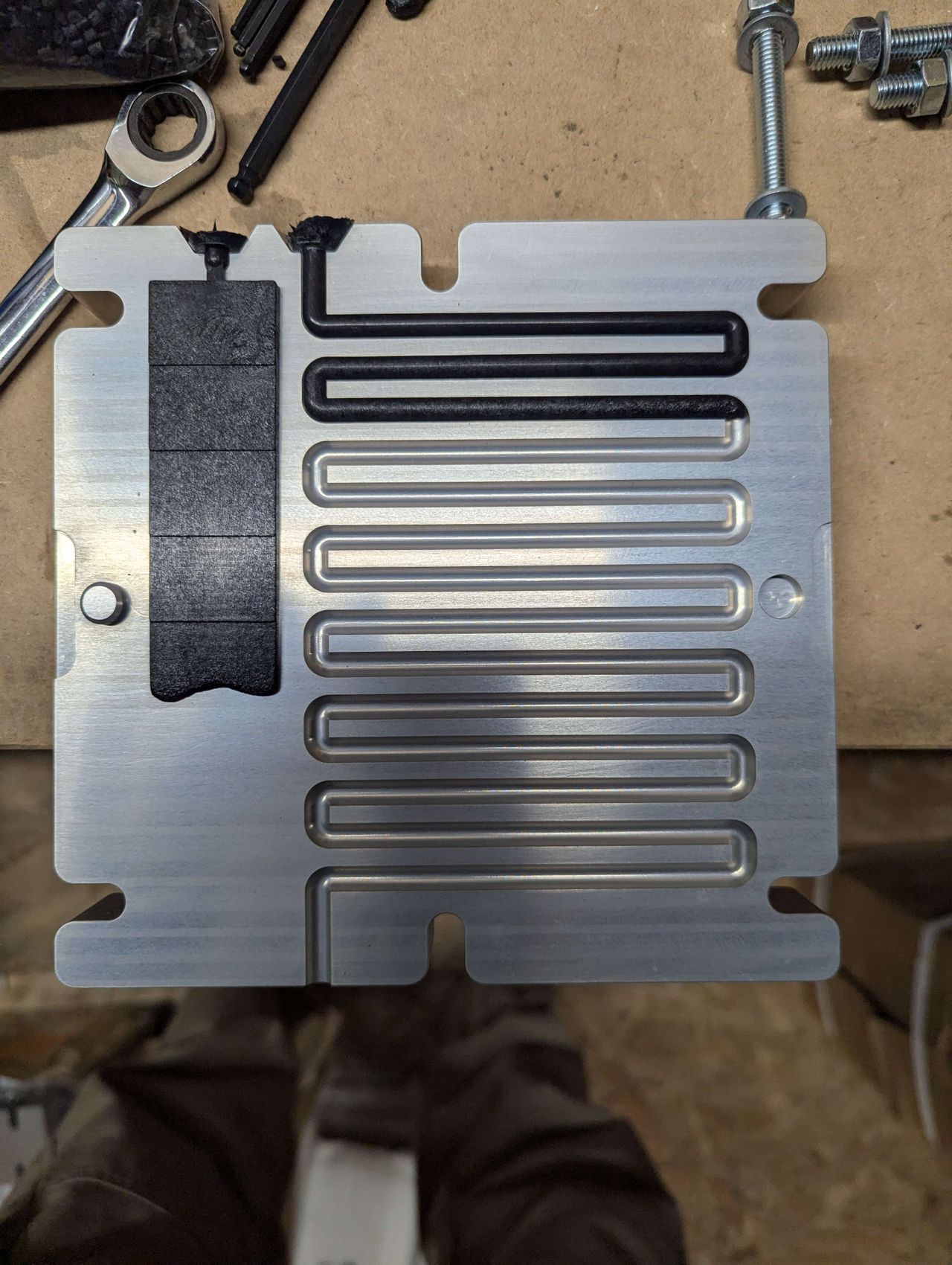
The mould that is proving the most interesting currently is the flow test mould.
From the results below you can see that between the 2 injections, with the same variables the results are almost identical.
5
Building the Material Database (Raw Data)
Published 1y. Edited 1yPublished over 1 year ago. Last edit over 1 year ago
Now that we have defined our controls we have begun building a database of results.
We expect this to take the most time out of the whole project as we will now need to generate a minium of 5 injections per flow mould and an additional of 5 injections to create the testing samples. Since we chose to have a 10min wait time between injections this means it will take atleast 100min for each material. Excluding purging and preheats.
However the results are already very exciting and as we add more results to the database we will very quickly start to a build better a picture of flow rates, optimal temperatures and shrink rates of different materials.
At the link below, we will begin uploading the photos and data for the raw results of the Material Flow Tests.
https://www.sustainabledesign.studio/plastic-materialdatabase

6
Processing and Displaying the Raw Data
Published 1y. Edited 1yPublished over 1 year ago. Last edit over 1 year ago
As a part of this database, one of the considerations is how we display this data in an easy-to-view, review and update manner.
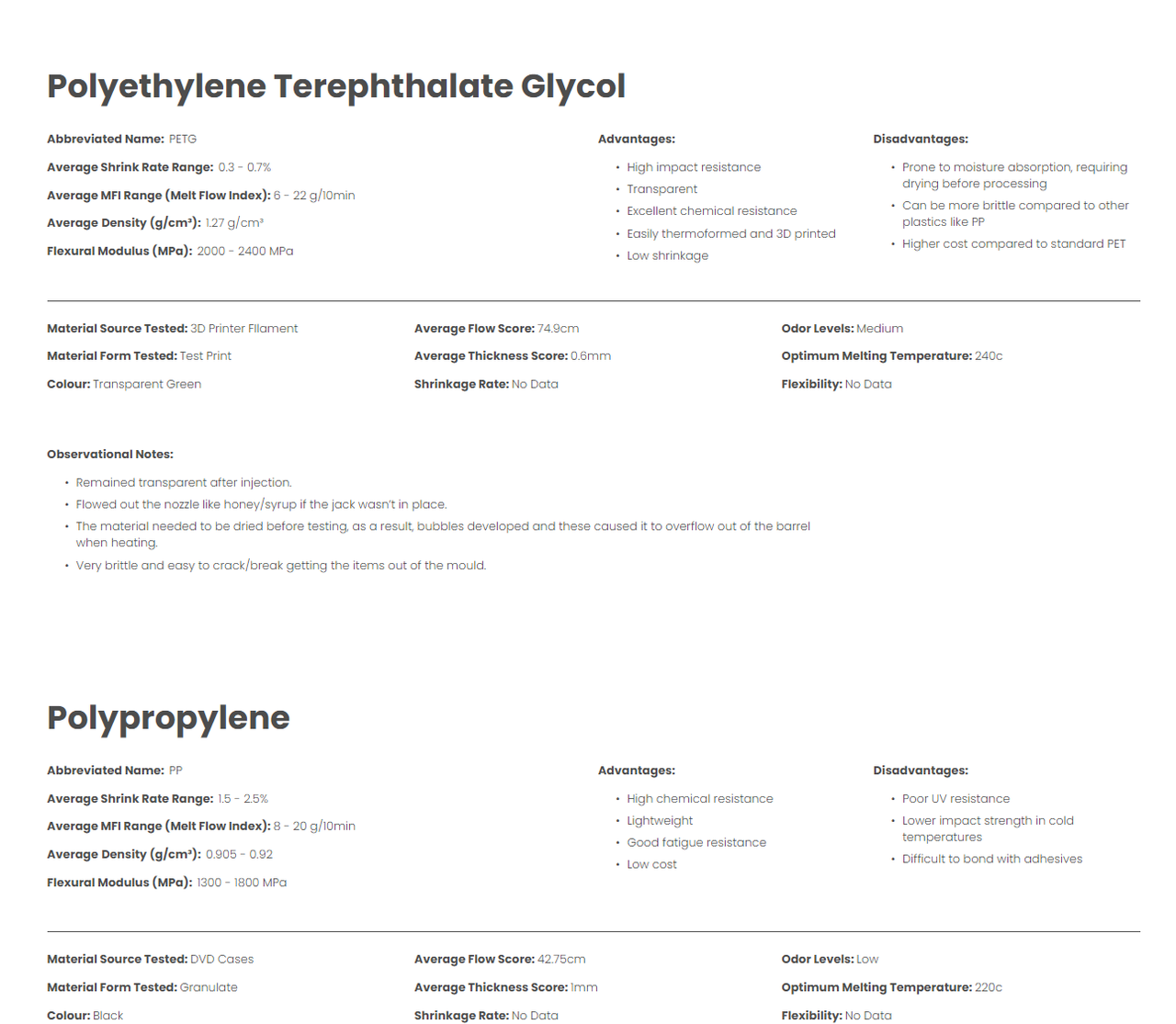
One of the beautiful elements of the Precious Plastic Academy is that it is online, as a web page and as a result can be easily translated using the browser to any language. (Much easier than a PDF or print out). So to test the formatting we have started building the web page for the data to be displayed. Adding important information about reading and understanding the data and why it's important for anyone trying to recycled these materials.
We have picked a series of key values to display for each material (based on standard information found online), along with similar information based on the specific material tested. With the goal to have tested multiple different versions of the same plastic. Eg. PP from DVD cases vs PP from plastic lids.
You can view the full page with all this information below.
https://www.sustainabledesign.studio/plastic-materialdatabase
7
TPU Tested & Added to the Database
Published 1y. Edited 1yPublished over 1 year ago. Last edit about 1 year ago
TPU has now been tested and added to the database. PLA is next.
Other notable mentions are acyclic, and PP from fishing nets were added last month.
Theromoplastic Polyurethane
Abbreviated Name: TPU
Average Shrink Rate Range: 0.5 - 1%
Average MFI Range (Melt Flow Index): 5 - 15 g/10min
Average Density (g/cm³): 1.23 g/cm³
Flexural Modulus (MPa): 35 MPa
Advantages:
Highly Flexible
Good Abrasion Resistance
Elasticity
Chemical Resistance
Weather and UV Resistance
Disadvantages:
Moderate Heat Resistance
Prone to Hydrolysis
Can Be Sensitive to Low Temperatures
Limited Dimensional Stability
Softness Limits Heavy Load Applications
Material Source Tested: 3D Printer Filament
Material Form Tested: Test Print
Colour: Red
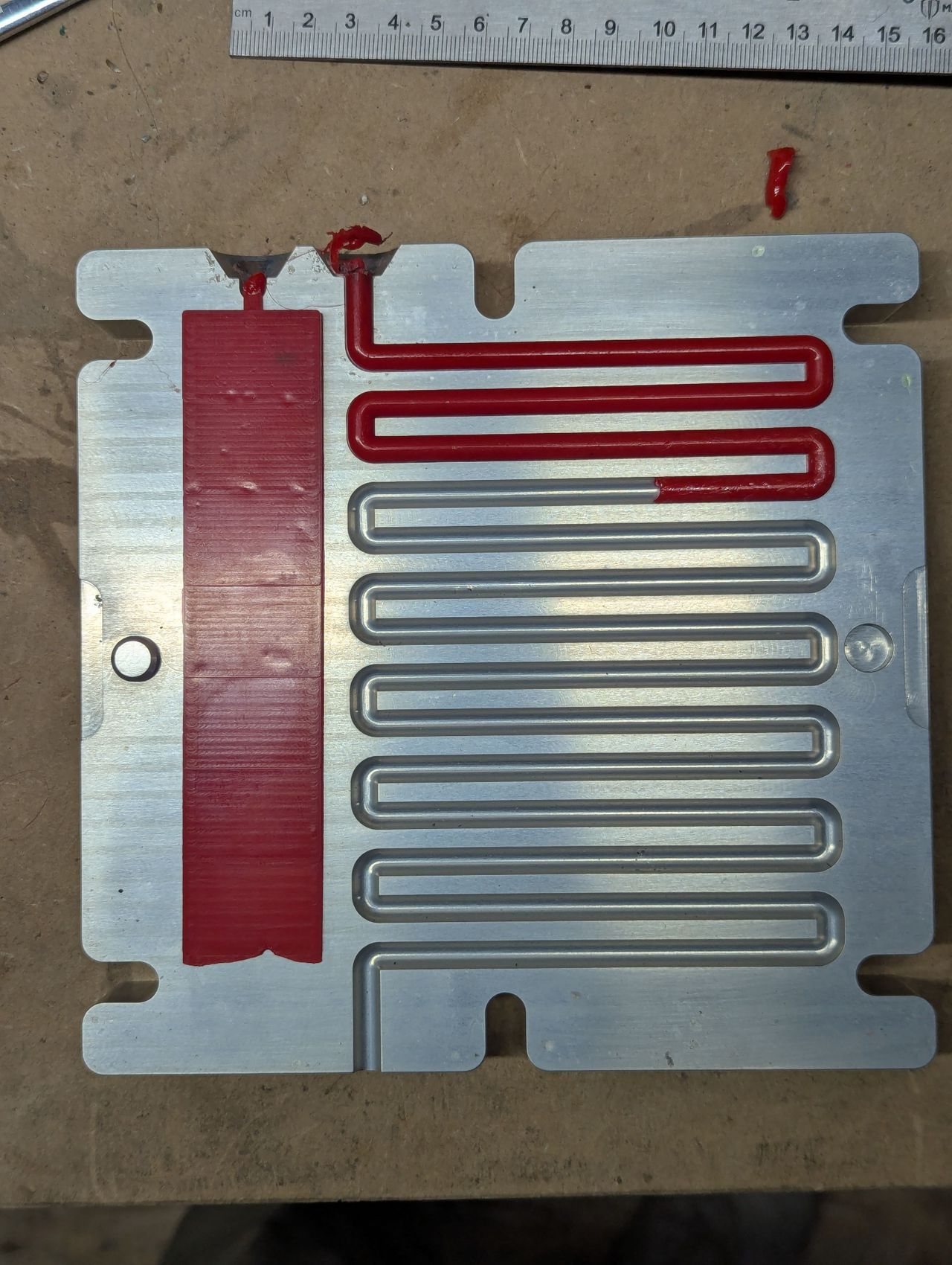
Average Flow Score: 39.3cm
Average Thickness Score: 0.7mm
Shrinkage Rate: No Data
Odor Levels: Low
Optimum Melting Temperature: 180c
Flexibility: No Data
Observational Notes:
When injecting TPU, flow behaviour is relatively limited, with test results ranging from 28.5 cm to 52 cm — well below the upper end of the 158 cm flow scale, meaning it may struggle to fully fill detailed or thin-walled moulds without the right conditions. Despite this, the thickness test results were consistently good, ranging from 0.5 mm to 1 mm, suggesting TPU is capable of producing thin, well-formed parts when processed correctly. Using a heated mould is recommended to prevent premature cooling, especially since TPU can become more viscous at lower injection temperatures. As with many hygroscopic plastics, drying the material beforehand is important. Moisture in the polymer can lead to bubbling, splaying, or weak areas in the final part. Careful temperature and pressure control are key to ensuring good surface finish and dimensional stability during injection.
8
PLA Now Added
Published 1y. Edited 1yPublished over 1 year ago. Last edit over 1 year ago
PLA has now been added to the database with promissing results! Please see below our addition.
Polylactic Acid
Abbreviated Name: PLA
Average Shrink Rate Range: 0.3 - 0.5%
Average MFI Range (Melt Flow Index): 6 - 8 g/10min
Average Density (g/cm³): 1.24 g/cm³
Flexural Modulus (MPa): 2996 - 3750 MPa
Advantages:
Biodegradable
Easily thermoformed and 3D printed
Low shrinkage
Non-Toxic
Disadvantages:
Brittle
Low heat resistance
Prone to moisture absorption
Limited chemical resistance
Lower durability outdoors.
Material Source Tested: 3D Printer Filament
Material Form Tested: Test Print
Colour: Yellow
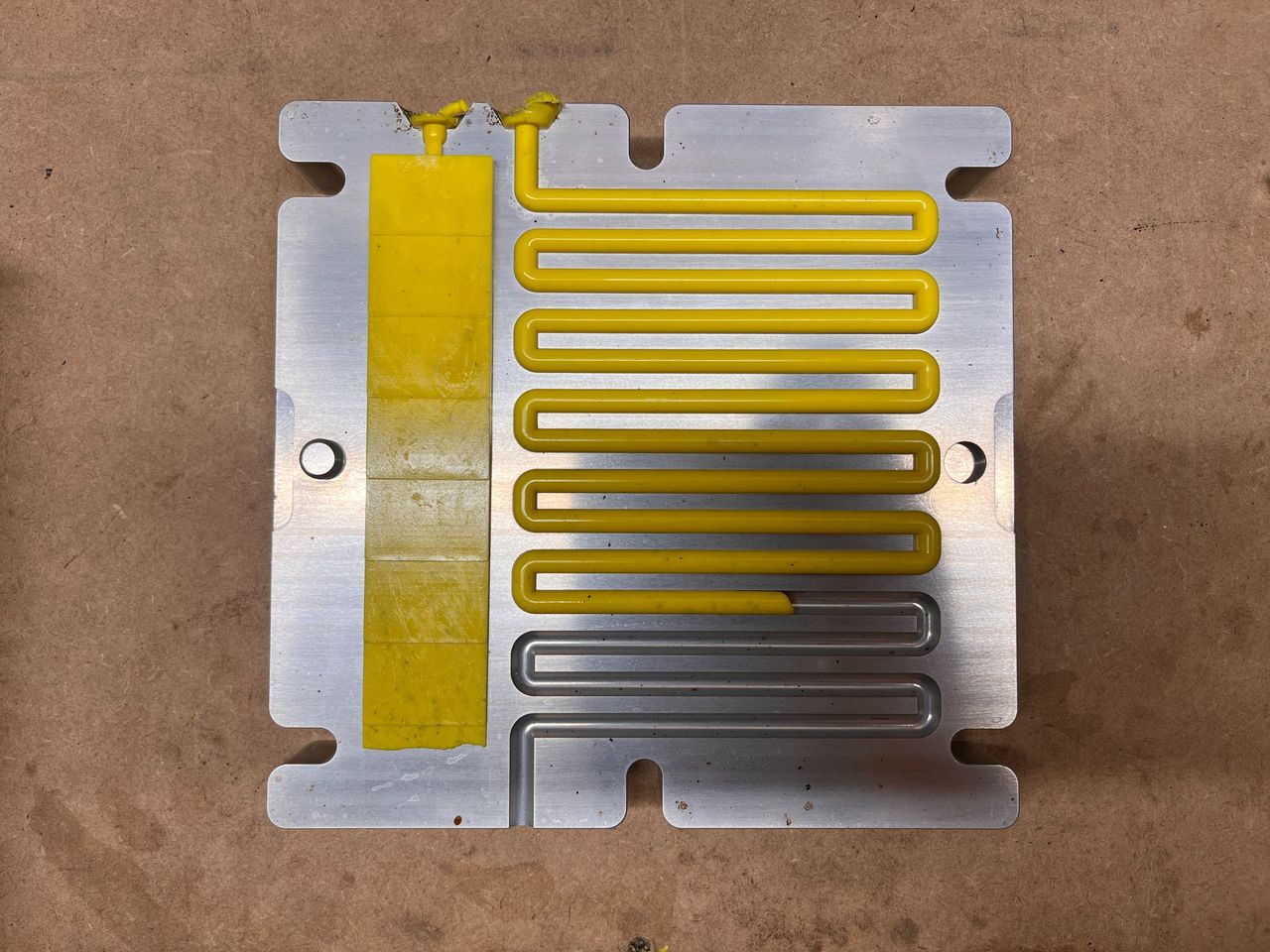
Average Flow Score: 69cm
Average Thickness Score: 1.5mm
Shrinkage Rate: No Data
Odor Levels: Medium
Optimum Melting Temperature: 200c
Flexibility: No Data
Observational Notes:
When injecting, don't use a heated mould. The molten PLA is like a tacky sticky glue, you want it to be able to cool as soon as it's placed within the mould to allow for easy demoulding.
Flowed out the nozzle like honey/syrup if the jack wasn’t in place.
The material needed to be dried before testing, as a result, bubbles developed and these caused it to overflow out of the barrel when heating.
When injected at a lower temperature, the material flows less but is less brittle.
9
PVB Added to the Database
Published 1y. Edited 1yPublished about 1 year ago. Last edit about 1 year ago
Polyvinyl butyral
Abbreviated Name: PVB
Average Shrink Rate Range: 0.4 - 1.5%
Average MFI Range (Melt Flow Index): 1 - 10 g/10min
Average Density (g/cm³): 1.14 g/cm³
Flexural Modulus (MPa): 500 MPa
Advantages:
Good Chemical Resistance
Impact Resistance
Good Flexibility
Disadvantages:
Low Heat Resistance
Sensitive to UV Degradation
Moisture Absorption
Flammable
Not Biodegradable
Material Source Tested: 3D Printer Filament
Material Form Tested: Test Print
Colour: Grey
Average Flow Score: 8.6cm
Average Thickness Score: 3mm
Shrinkage Rate: No Data
Odour Levels: High
Optimum Melting Temperature: 225c
Flexibility: No Data
Observational Notes:
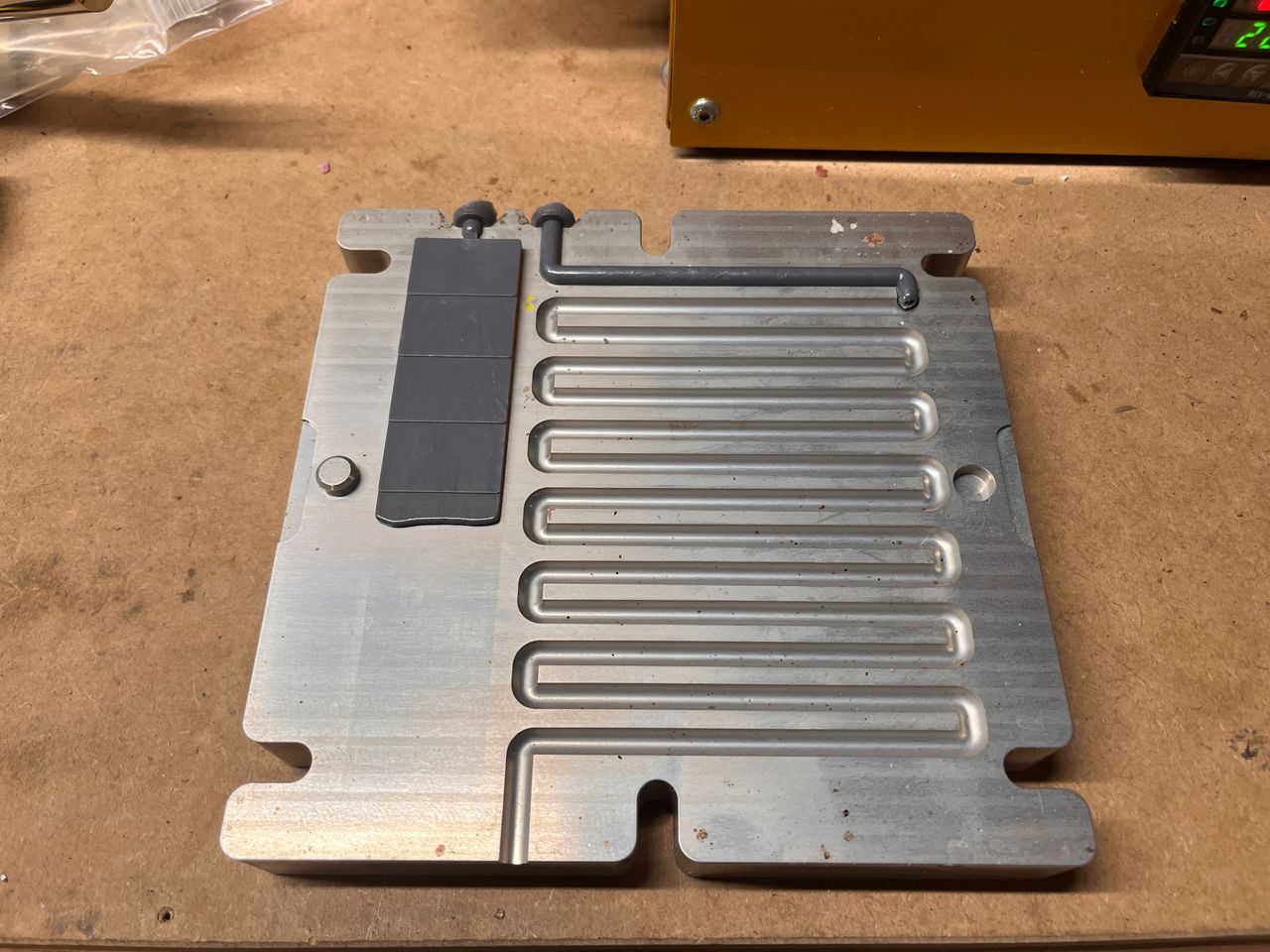
When injecting recycled PVB, it's crucial to use a heated mould. The material has a relatively low flow rate, with results ranging from 5cm to 13cm in the flow test, meaning it doesn’t fill moulds as easily as more fluid materials. Using a warm mould helps improve the flow and surface finish by allowing the material to flow more smoothly and evenly. Drying the PVB is especially important, as moisture can cause issues like bubbling, weak spots, or inconsistent flow during moulding. Although we dried the plastic before injecting, we think that it may have still been fairly moist, impacting our testing. If not properly dried, trapped moisture can lead to steam pressure, which may cause the material to overflow or spit from the barrel. The thickness results varied from 2.5mm to 4mm, which indicates that the material can be challenging to inject evenly, particularly for thicker parts, as the material tends to cool quickly and cause uneven thickness. At lower temperatures, PVB becomes more viscous and may require higher injection pressure to fill moulds. However, excessively high temperatures can lead to material degradation and impact the part’s mechanical properties.
10
ABS Now Added
Published 1y. Edited 1yPublished about 1 year ago. Last edit about 1 year ago
Acrylonitrile Butadiene Styrene
Abbreviated Name: ABS
Average Shrink Rate Range: 0.4 - 0.9%
Average MFI Range (Melt Flow Index): 1 - 8 g/10min
Average Density (g/cm³): 1.03 g/cm³
Flexural Modulus (MPa): 1,900 – 2,300 MPa
Advantages:
Strong and impact resistant
Heat-resistant
Excellent dimensional stability
Balanced Mechanical Properties
Disadvantages:
Strong odour when molten
Poor UV Resistance
Low Chemical Resistance to Some Solvents
Flammable Without Additives
Not Biodegradable
Material Source Tested: 3D Printer Filament
Material Form Tested: Test Print
Colour: Yellow
Average Flow Score: 12
Average Thickness Score: 3.5
Shrinkage Rate: No Data
Odour Levels: Extremely High
Optimum Melting Temperature: 230
Flexibility: No Data
Observational Notes:
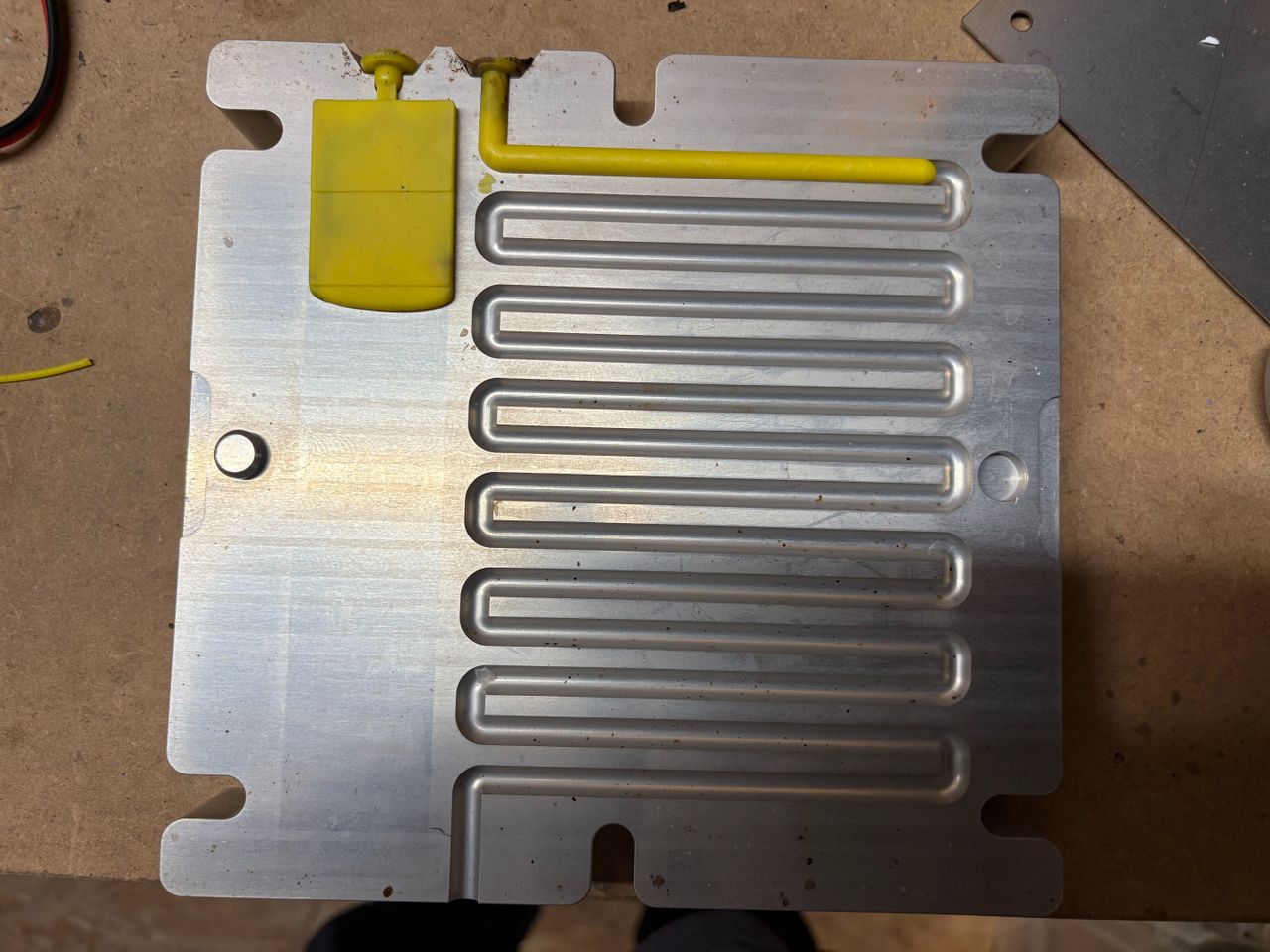
When injecting, it’s important to use a heated mould with ABS. The material cools quickly and can warp or stick if the mould is too cold. A warm mould helps improve surface finish and reduces internal stresses. Drying the plastic is essential, moisture causes bubbling, splaying, and weak spots in the final part. If not dried properly, steam pressure can cause the material to spit or even backflow out of the barrel. At lower injection temperatures, ABS becomes more viscous and harder to fill into fine details, but overly high temps can lead to burning.
11
PETG added to Database
Published 1yPublished about 1 year ago
Polyethylene terephthalate glycol
Abbreviated Name: PETG
Average Shrink Rate Range: 0.2 - 0.6%
Average MFI Range (Melt Flow Index): 6 - 12 g/10min
Average Density (g/cm³): 1.27 g/cm³
Flexural Modulus (MPa): 2,000 – 2,400 MPa
Advantages:
Tough and Impact-Resistant
Low Shrinkage
Good Chemical Resistance
Transparent and Glossy Finish
Food Safe (in many grades)
Disadvantages:
Moderate Heat Resistance
Prone to Scratching
Can Be Brittle Under Stress Over Time
UV Sensitivity
Material Source Tested: 3D Printer Filament
Material Form Tested: Test Print
Colour: Green
Average Flow Score: 74.9
Average Thickness Score: 0.66
Shrinkage Rate: No Data
Odour Levels: High
Optimum Melting Temperature: 240
Flexibility: No Data
Observational Notes:
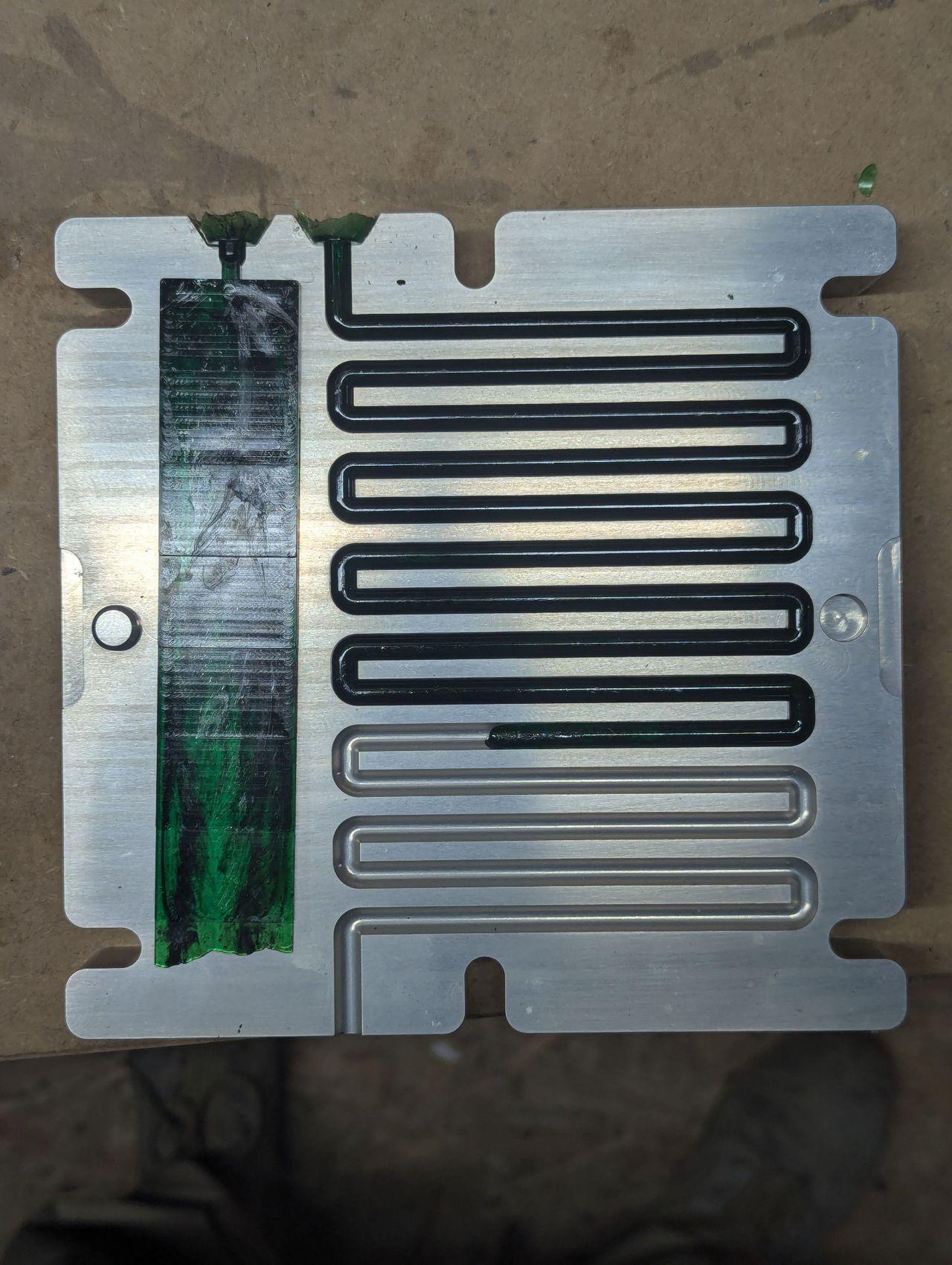
When injection moulding PETG, the material shows moderate to good flowability, with flow test results ranging from 43 cm to 107 cm. This places it well above lower-flowing plastics like PVB and TPU, making PETG more suitable for parts with fine details or long, thin flow paths. The thickness results, ranging between 0.5 mm and 1 mm, indicate that PETG can produce thin, consistent sections when processed correctly. It benefits from a heated mould to prevent rapid cooling, which can cause internal stresses or poor surface finish. PETG is also hygroscopic, so thorough drying before processing is essential to avoid defects like bubbling or streaking. While it flows well at typical moulding temperatures, too high a temperature can cause stringing or degradation, so temperature control is important for ensuring stable, high-quality parts.
12
ePa (Nylon) Testing results
Published 1yPublished about 1 year ago
Polyamide (Nylon)
Abbreviated Name: PA
Average Shrink Rate Range: 1.5 - 3%
Average MFI Range (Melt Flow Index): 5–20 g/10 min
Average Density (g/cm³): 1.14 g/cm³
Flexural Modulus (MPa): 1,200 – 1,600 MPa
Advantages:
Excellent Chemical Resistance
High Strength and Durability
Good Flexibility
Good Impact Resistance
Low Friction
Disadvantages:
High Moisture Absorption
High Shrinkage
Susceptible to UV Degradation
Lower Heat Resistance Compared to Other Materials
Material Source Tested: 3D Printer Filament
Material Form Tested: Pelletised filament
Colour: Clear
Average Flow Score: NULL
Average Thickness Score: NULL
Shrinkage Rate: No Data
Odour Levels: Medium - High
Optimum Melting Temperature: NULL
Flexibility: No Data
Observational Notes:
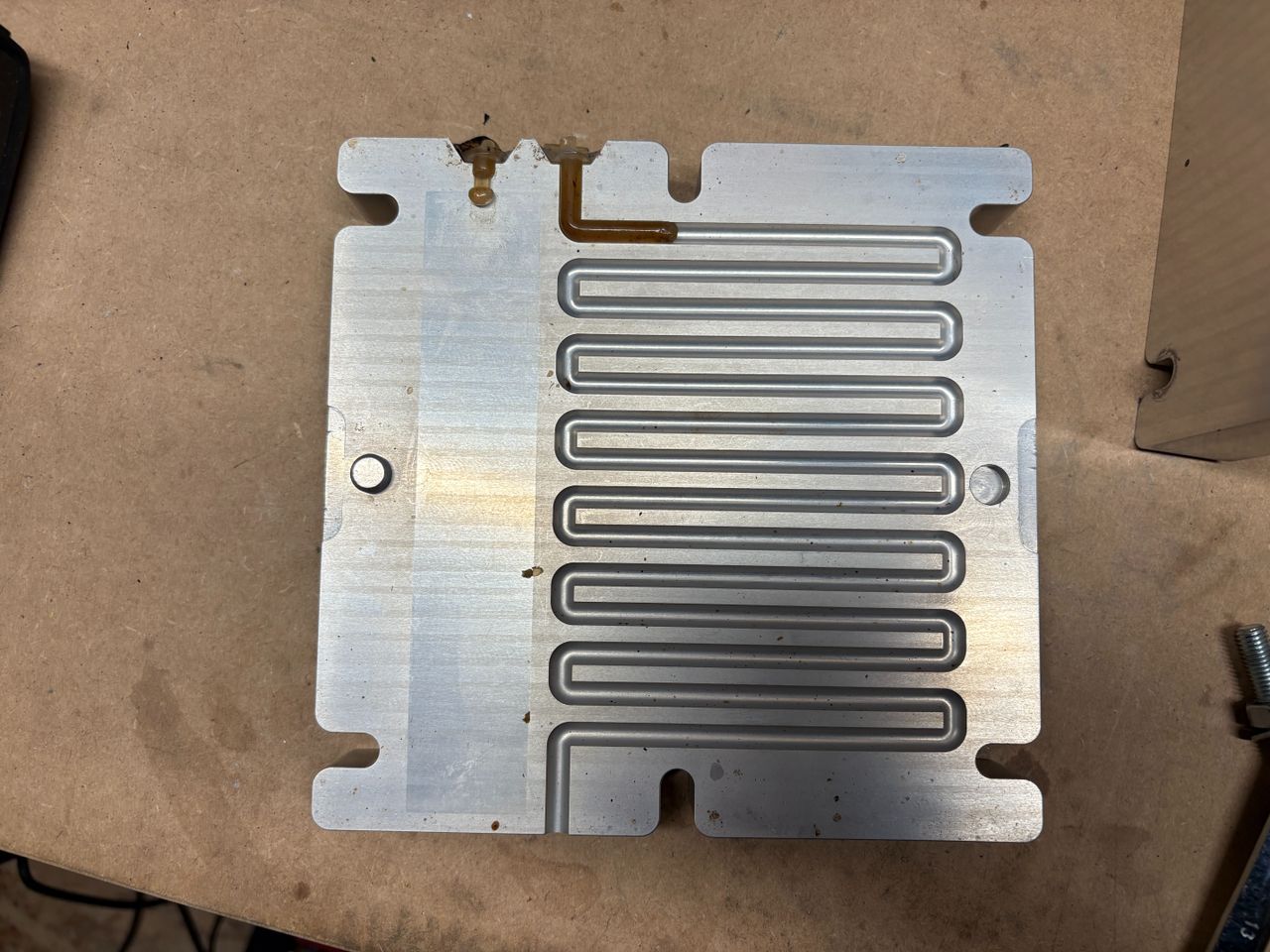
The testing of the ePA filament for injection moulding revealed significant challenges. Despite varying the barrel temperature and dwell times, all trials resulted in degradation of the material, with none producing successful outcomes. Higher temperatures led to burning and breakdown of the filament, while shorter heat times caused incomplete melting and still showed early signs of degradation. These results highlight that ePA, like the other filaments tested, is not suitable for injection moulding. It is specifically engineered for 3D printing applications, where it is quickly heated and extruded. Attempting to process it in bulk through an injection moulding barrel exceeds its thermal stability and intended use, ultimately confirming its incompatibility with this manufacturing method.
The tests were run at;
230℃ with a 10-minute heat time
220℃ with a 10-minute heat time
210℃ with a 10-minute heat time
205℃ with a 10-minute heat time
190℃ with a 10-minute heat time
230℃ with a 3-minute heat time
210℃ with a 3-minute heat time
190℃ with a 3-minute heat time
13
Conclusion
Published 11mo. Edited 11moPublished 12 months ago. Last edit 12 months ago
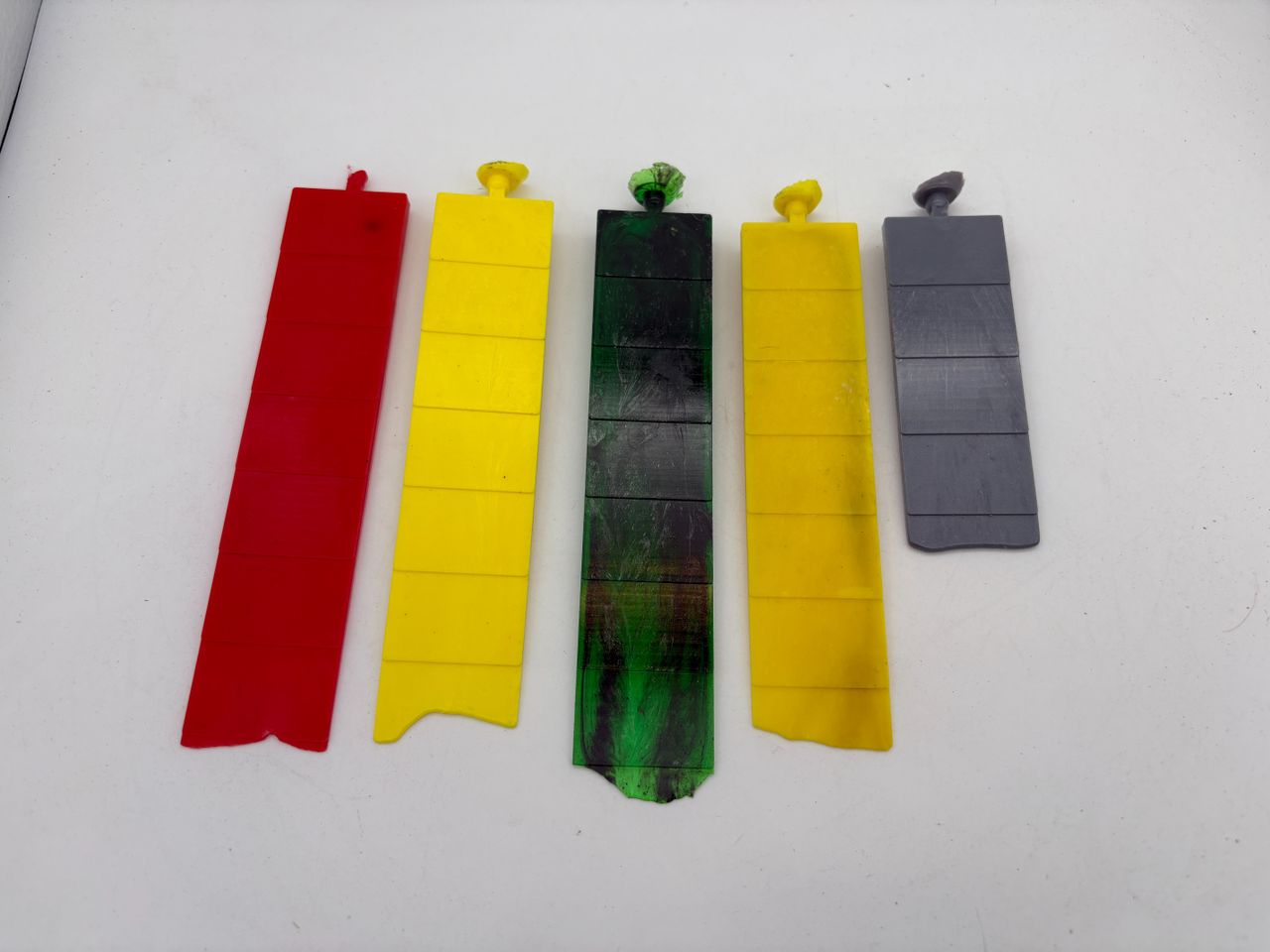
PLA delivered the best results in terms of flow and thickness. In fact, it outperformed most other plastics we tested – not just limited to 3D printing filaments. However, these excellent results were offset by its extreme brittleness after injection. Even minor drops from low heights or not opening the mould quick enough caused the parts to shatter.
PETG also performed very well in terms of flow and thickness. We would likely recommend this material over PLA, as it offers similar – albeit slightly inferior – flow results, without the overly brittle nature of the final product.
TPU didn’t score highly for flow or thickness, but it’s well-suited for smaller, less complex moulds. Its flexibility opens up possibilities for creating unique and exciting moulded products.
PVB produced fairly limited results regarding flow and thickness. This material requires a mould that runs hotter than usual to improve plastic flow during injection.
ABS also showed poor results in terms of flow and thickness. However, it stood out with a pleasant matte finish and a nice tactile feel. It could be suitable for small, low-detail products, but it remains challenging to work with. Do keep in mind that results with ABS can be inconsistent.
Nylon (ePA) was unfortunately the least successful material. Even at relatively low temperatures, it degraded and burned before fully melting in the barrel. This made it extremely difficult to process.
It's important to note that all of these materials are designed for 3D printing, not injection moulding. They are formulated to be heated and extruded quickly through a nozzle, whereas injection moulding involves maintaining the plastic at high temperatures for extended periods. This prolonged exposure increases the risk of thermal degradation.
Our testing has clearly highlighted the distinction between injection-grade and extrusion-grade materials. One common trait across all the filaments tested was their high sensitivity to temperature – making it very easy for the material to degrade during the process.
Due to the poor flow and thickness performance of many materials, we were unable to fully fill the testing mould. This prevented us from completing the additional tests we had planned. Since those tests require fully formed samples to yield accurate results, we decided not to proceed, as incomplete parts would produce unreliable data. While disappointing, the flow tests alone have provided valuable insights – arguably the most important information from this round of experiments.
Additionally, when we did these other tests on polypropylene (PP), It yielded results that closely matched those already available online, so we did not gain much new knowledge from them.
We’ll be continuing these material experiments at https://www.sustainabledesign.studio/plastic-materialdatabase , where you can explore our Material Database. We regularly add new materials along with detailed notes and photos from each test.
14
Project Link
Published 7moPublished 7 months ago
For more information and files, check out the project here:
https://community.preciousplastic.com/library/test-and-compare-your-material-properties
%20--%3e%3csvg%20version='1.1'%20id='Layer_1'%20xmlns='http://www.w3.org/2000/svg'%20xmlns:xlink='http://www.w3.org/1999/xlink'%20x='0px'%20y='0px'%20viewBox='0%200%2064%2063'%20style='enable-background:new%200%200%2064%2063;'%20xml:space='preserve'%3e%3cstyle%20type='text/css'%3e%20.st0{fill:%2320B7EB;}%20.st1{fill:%23E9475A;}%20.st2{fill:%23FECE4E;}%20%3c/style%3e%3cdesc%3eCreated%20with%20Sketch.%3c/desc%3e%3cg%20id='Page-1'%3e%3cg%20id='OA-Logo-Black-Background'%3e%3cpath%20id='Shape'%20class='st0'%20d='M14.1,30.1c-1.5-0.8-8.6-3.8-14.1-7.8c1.8-3.4,3.1-5.6,5-9.1c2.7,1.1,1.9,0.5,4.6,1.7%20c0.8,0.4,10.1,4.5,13.8,6.2c2.4,1.1,4.7,2.2,7,3.3L43,30.5l8.1,3.9c4,2,7.2,3.5,11.3,5.5c0.5,0.3-3.7,9.4-3.7,9.4%20c-1.7-0.6-3.9-1.8-5.5-2.5c-4.7-2.1-9-3.9-13.7-6c-4-1.8-6.7-2.9-10.8-4.5C25,34.9,17.1,31.6,14.1,30.1z'/%3e%3cpath%20id='Shape_1_'%20class='st1'%20d='M12.1,54.9c-0.8,0.6-1.6,1.2-2.5,1.6c-0.4-0.5-0.9-1-1.3-1.5c-0.3-1.2-2.3-4.9-2.7-6.2%20c-0.1-0.4-0.7-2.2-0.8-2.6c0,0,5-3.4,8.2-5.9c3.2-2.6,6.2-5,9.3-7.5c1.4-1.1,3.9-2.5,5.3-3.5c2.5-1.7,13-9.1,15.6-10.5%20c5.4-3.3,11.1-6.3,16.8-9c1.7,3.5,1.8,3,3.8,6.9c0,0-17.8,13.5-22.7,17.1c-3.8,2.8-7.5,5.7-11.3,8.5c-1.7,1.3-3.5,2.4-5.2,3.7'/%3e%3cpath%20id='Shape_2_'%20class='st2'%20d='M20.8,2.9l-0.2-0.8C25,0,31.2-0.3,31.4,0.2c0.4,1.1,0.9,2.2,1.2,3.4c1.4,4.4,2.7,8.7,4,13.1%20c0.4,1.4,2.8,10,2.9,10.5c0.5,2.8,1.2,5.6,1.6,8.4c0.8,4.7,1.4,8.6,2.3,13.3c0.6,3.1,1.3,6.3,2.3,11.3c0,0-5.8,1.4-7.5,1.8%20c-0.8,0.2-1.5,0.4-2.4,0.6c-0.3-1.1-0.2-1.2-0.5-2.1c-0.9-3.7-1.8-7.3-2.6-11c-1.5-6.4-3-12.9-4.4-19.3%20c-1.2-5.4-2.6-10.7-4.4-15.9c-1-3.1-1.8-6.3-2.7-9.5C21.1,3.8,21,3.8,20.8,2.9z'/%3e%3c/g%3e%3c/g%3e%3c/svg%3e)