Blastic IoT Scale


researchother machinecollectionsorting
More Information


%20--%3e%3csvg%20version='1.1'%20id='Layer_1'%20xmlns='http://www.w3.org/2000/svg'%20xmlns:xlink='http://www.w3.org/1999/xlink'%20x='0px'%20y='0px'%20viewBox='0%200%2064%2063'%20style='enable-background:new%200%200%2064%2063;'%20xml:space='preserve'%3e%3cstyle%20type='text/css'%3e%20.st0{fill:%23231F20;}%20%3c/style%3e%3cdesc%3eCreated%20with%20Sketch.%3c/desc%3e%3cg%20id='Page-1'%3e%3cg%20id='OA-Logo-Black-Background'%3e%3cpath%20id='Shape'%20class='st0'%20d='M14.1,30.1c-1.5-0.8-8.6-3.8-14.1-7.8c1.8-3.4,3.1-5.6,5-9.1c2.7,1.1,1.9,0.5,4.6,1.7%20c0.8,0.4,10.1,4.5,13.8,6.2c2.4,1.1,4.7,2.2,7,3.3L43,30.5l8.1,3.9c4,2,7.2,3.5,11.3,5.5c0.5,0.3-3.7,9.4-3.7,9.4%20c-1.7-0.6-3.9-1.8-5.5-2.5c-4.7-2.1-9-3.9-13.7-6c-4-1.8-6.7-2.9-10.8-4.5C25,34.9,17.1,31.6,14.1,30.1z'/%3e%3cpath%20id='Shape_1_'%20class='st0'%20d='M12.1,54.9c-0.8,0.6-1.6,1.2-2.5,1.6c-0.4-0.5-0.9-1-1.3-1.5c-0.3-1.2-2.3-4.9-2.7-6.2%20c-0.1-0.4-0.7-2.2-0.8-2.6c0,0,5-3.4,8.2-5.9c3.2-2.6,6.2-5,9.3-7.5c1.4-1.1,3.9-2.5,5.3-3.5c2.5-1.7,13-9.1,15.6-10.5%20c5.4-3.3,11.1-6.3,16.8-9c1.7,3.5,1.8,3,3.8,6.9c0,0-17.8,13.5-22.7,17.1c-3.8,2.8-7.5,5.7-11.3,8.5c-1.7,1.3-3.5,2.4-5.2,3.7'/%3e%3cpath%20id='Shape_2_'%20class='st0'%20d='M20.8,2.9l-0.2-0.8C25,0,31.2-0.3,31.4,0.2c0.4,1.1,0.9,2.2,1.2,3.4c1.4,4.4,2.7,8.7,4,13.1%20c0.4,1.4,2.8,10,2.9,10.5c0.5,2.8,1.2,5.6,1.6,8.4c0.8,4.7,1.4,8.6,2.3,13.3c0.6,3.1,1.3,6.3,2.3,11.3c0,0-5.8,1.4-7.5,1.8%20c-0.8,0.2-1.5,0.4-2.4,0.6c-0.3-1.1-0.2-1.2-0.5-2.1c-0.9-3.7-1.8-7.3-2.6-11c-1.5-6.4-3-12.9-4.4-19.3%20c-1.2-5.4-2.6-10.7-4.4-15.9c-1-3.1-1.8-6.3-2.7-9.5C21.1,3.8,21,3.8,20.8,2.9z'/%3e%3c/g%3e%3c/g%3e%3c/svg%3e)


1
Standalone functioning prototype
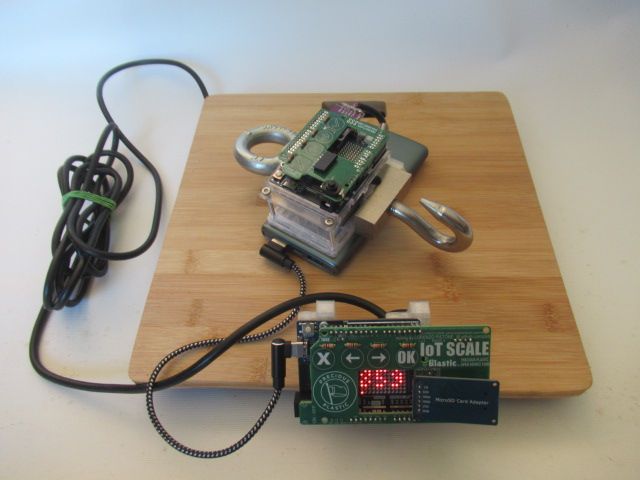
Early prototypes were relying on a computer connection to function and operate on the web. The current evolution it is standalone and uploads data to the web over wifi. It is much more useful, compact and strong and I am using it in the workspace to monitor the kgs of plastic that I am shredding, labeling it and also controlling how much of it I am consuming making beams. In the next steps we will be uploading online the data collected in the worskpace with the scale. To do: integrate the weighted measure with some user input about the type of plastic being weighted
2
Under the Hood 1
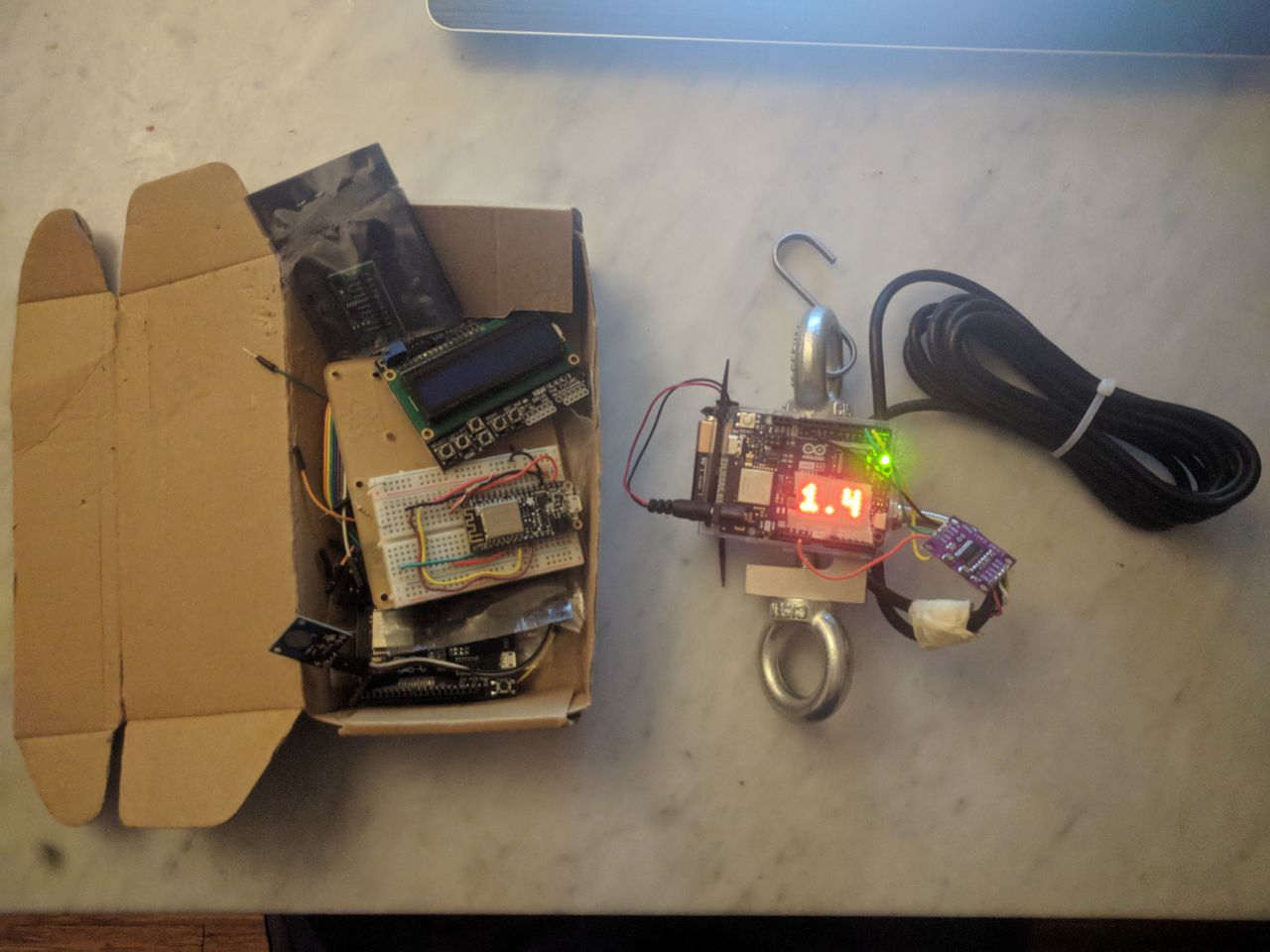
Those two updates are about some activities that are going on under the hood about the Blastic Scale. Things are not quite ready to be shared, but soon they will be. I am planning to upload a basic version of the working code on a repository like github, so we have also teh option build on the basic function in a collaborative way, or even start using the Scale for own purposes. This will enable also the active partecipation of beta testers and volunteering or pro developers. In this regard I am happy to announce that this project have sparked the interest of an higly skilled professional developer who has agreed to help working on the code for a minimal refound, that the PPOSF allows me to give. We will get organized readable and powerful code as the best foundation for the project! I am very happy for this unexpected opportunity and I have to say that that has been possible thanks to the wonderful PP Italia community and especially thanks to Giacomo from Officine Creative.
3
Under the hood 2
So a little more about spending the PPOFS budget. I have also been able to purchase a copy of the Hardware required to build the prototype of the scale and thus enabling helping developers to practice their code improvements on the very same HW setup I am working on. So in total we have bought two Arduino R4 boards, two s-shaped load cell sensors (max weight 300 kg), two HX711 load cell amp ics, and some mounting/wiring complements.
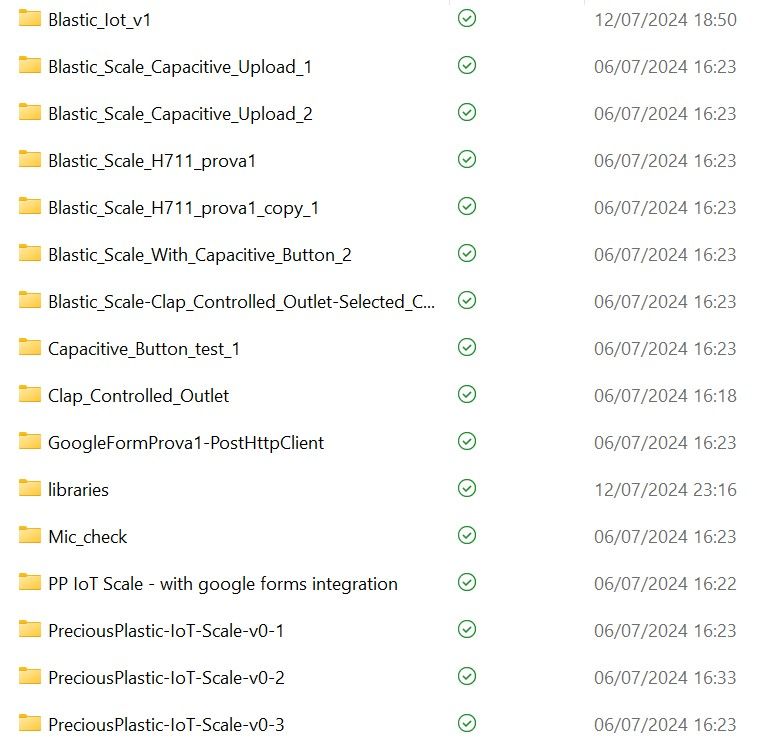
Just another little update about the very latest developements of the code: right now we are writing a sketch that integrates the two main functions we have written in the past months. The main result in this regard is to have found the ArduinoHttpClient.h library as the optimal sobstitute for the ESP8266HTTPClient.h library. The latter was the main code medium to upload data to the PP upload form, but couldn't work with the chipset of the new HW platform of choice. In the next update we will able to showcase an active scale that uploads on a test page
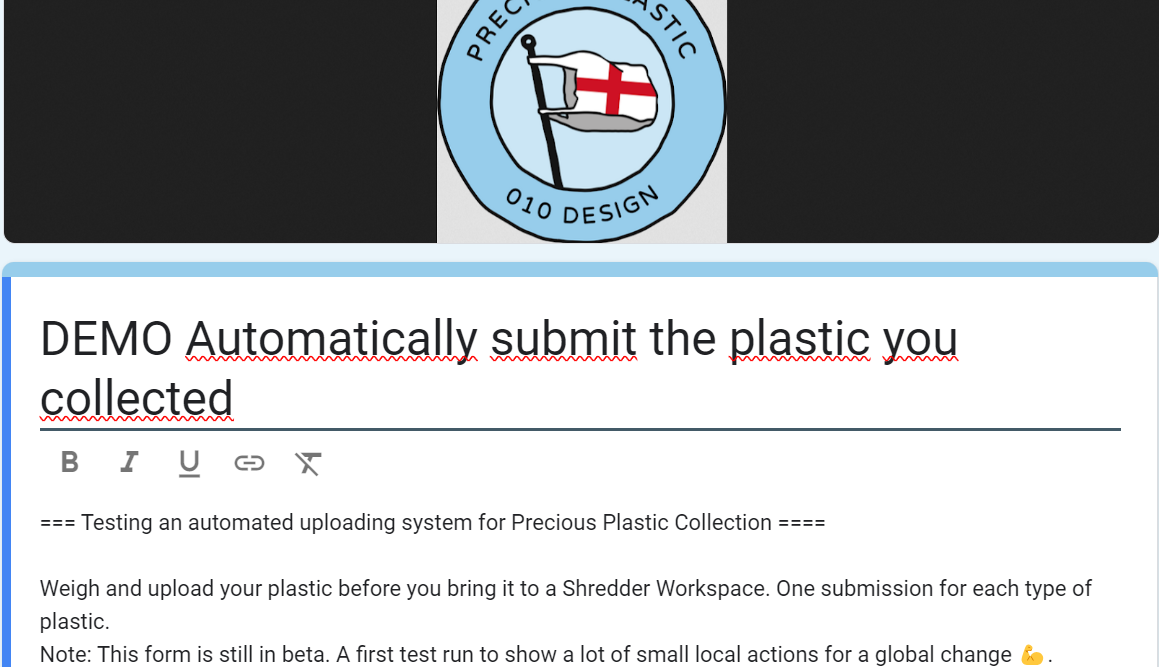
4
Mid-Summer Milestone
Hello PP!
I am happy to share a video the functioning version of the latest hardware for the scale (we still are prototyping the HW, but we have settled with Arduino R4 board for the "brains" of the scale).
NEWS
The functioning new scale (featured in the video) has been a big feat, because the software from the last working prototypes did not work on the new HW. That is an useful result also because let all the remaining work have a foundation that realizes exactly the main purpose of the project. And features an hack that is an uncommon solution for the matter (no API is given by google to realize this kind of upload). This last matter (no official google API, but custom solution), has been the subject of a brainstorming with a pro coder that is currently supporting the project, and that resulted in the decision to add an extra HW feature to the project, that is a SD breakout board to save datas from the scale locally, for the usage of the Precious Plastic User or Collection Point that is uploading its recycled plastic. It is a complex decision and I will elaborate it in further posts.
Other big news are the opening of a Github channel for the project that is allowing developers to work as a team. It is still a private repo, but it will be public as stated in the last update.
NEXT STEPS
For the SW side of the project, apart from the working uploading scale, the pro coder has taken leadership in building a super strong and flexible software implementation called freeRTOS and making it compatible with Arduino developing enviroment. That's nerdy stuff, but it will be potent and will be explained.
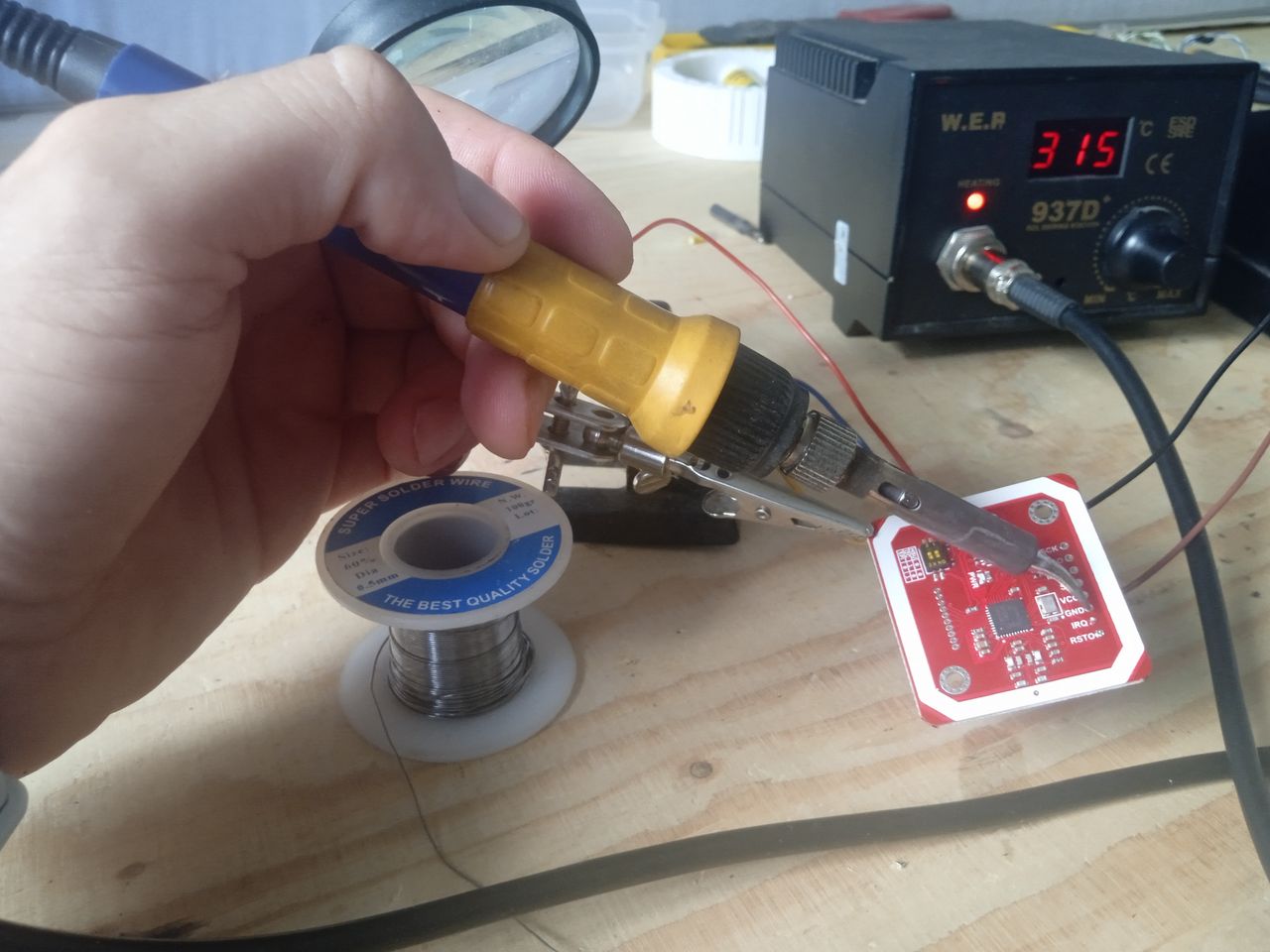
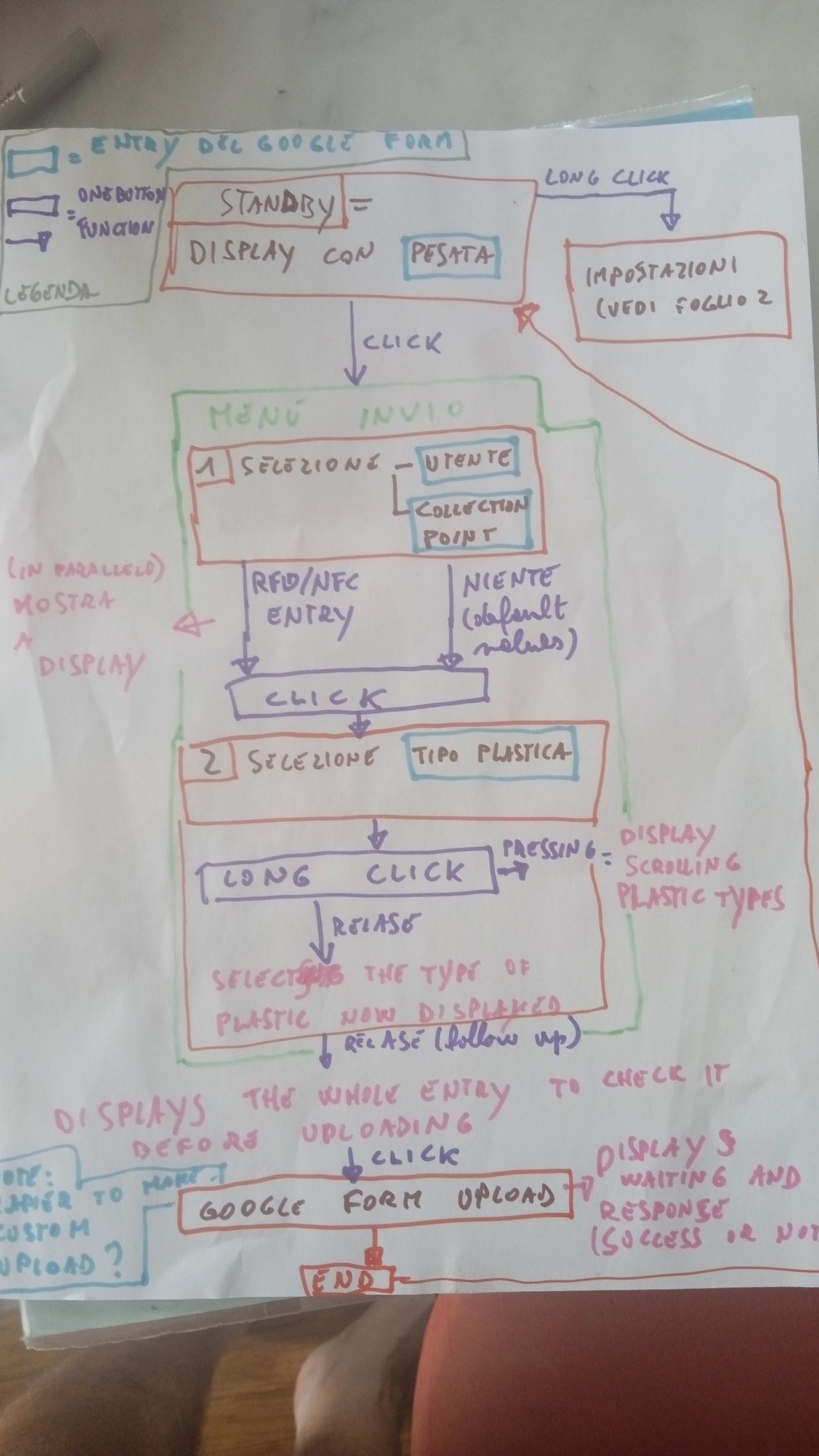
We have been defining the structure of the SW functions and we are in the process of tinker with the UX software (NFC/RFID identification, WIFI Password and Autentication selection, touch sensors interface and on board ledMatrix display design)
5
Mid-Summer Milestone 2
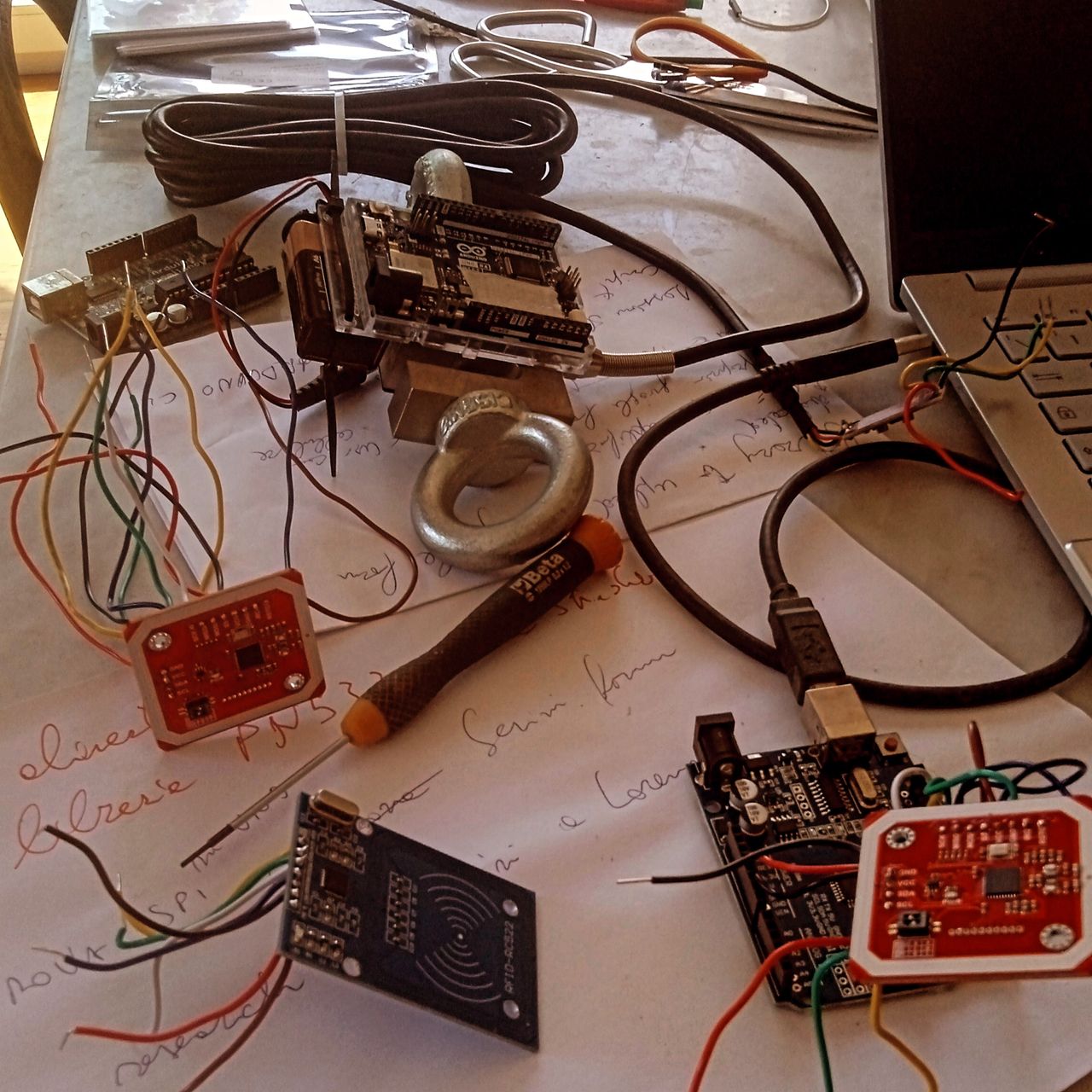
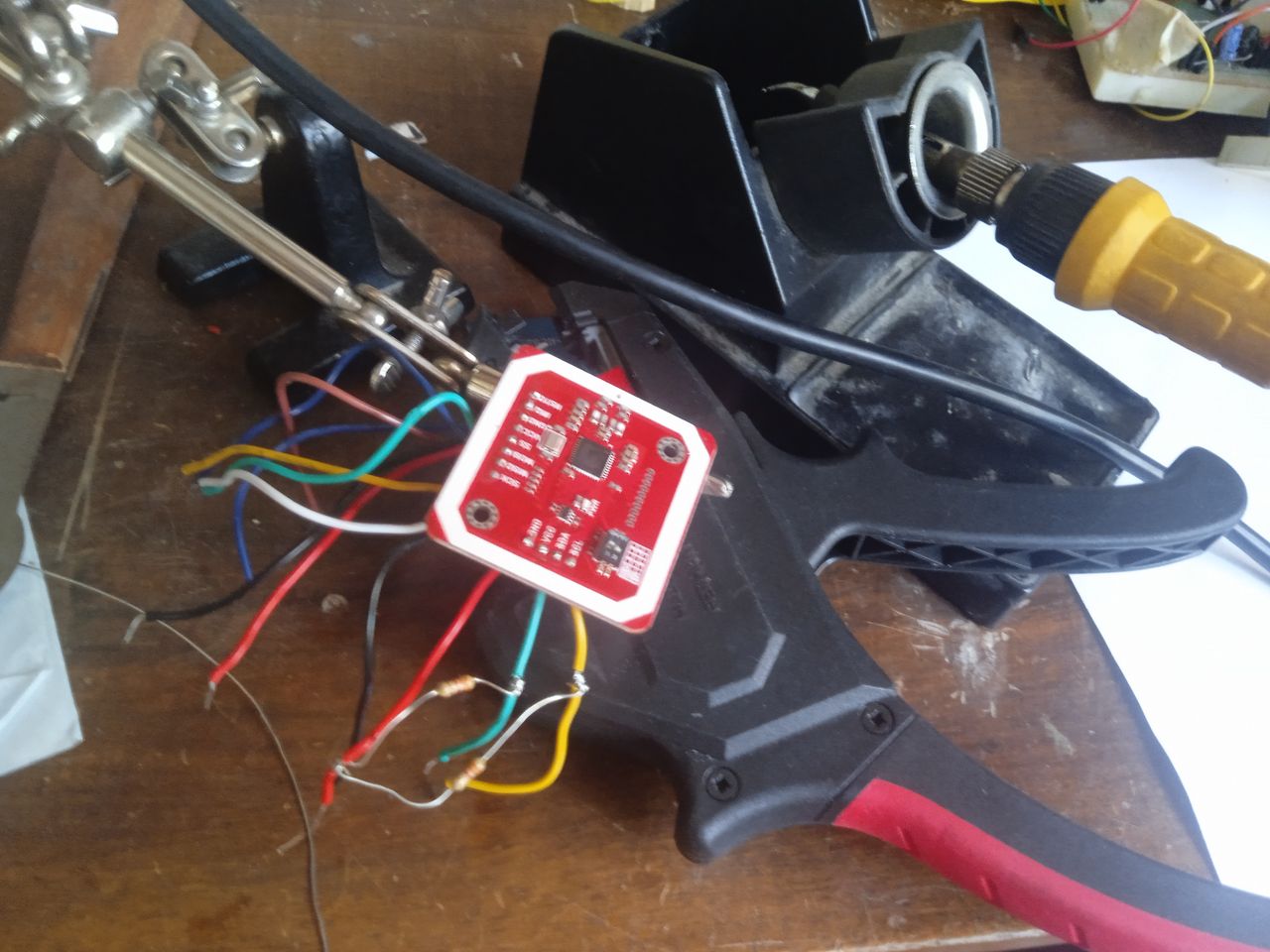
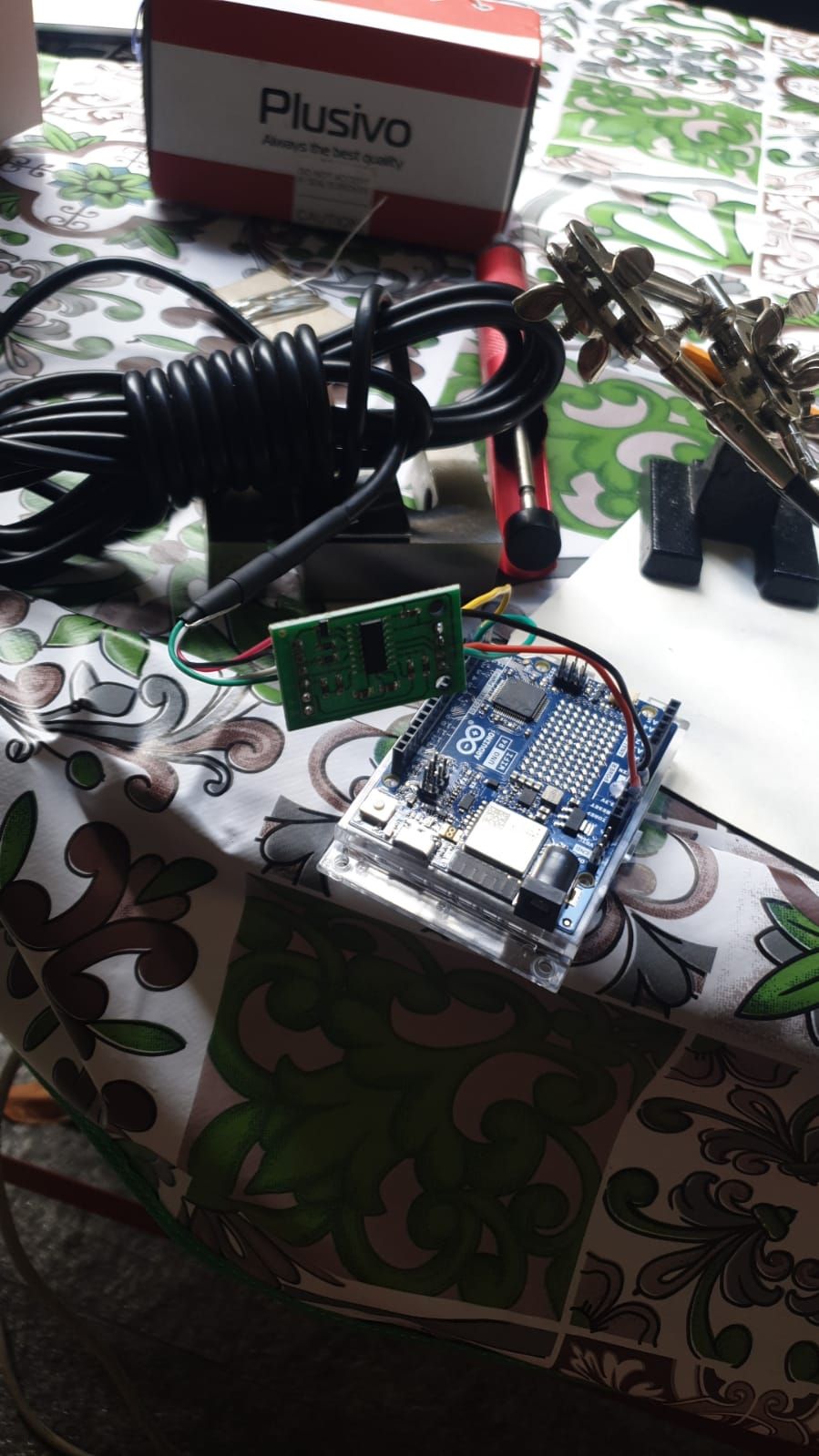
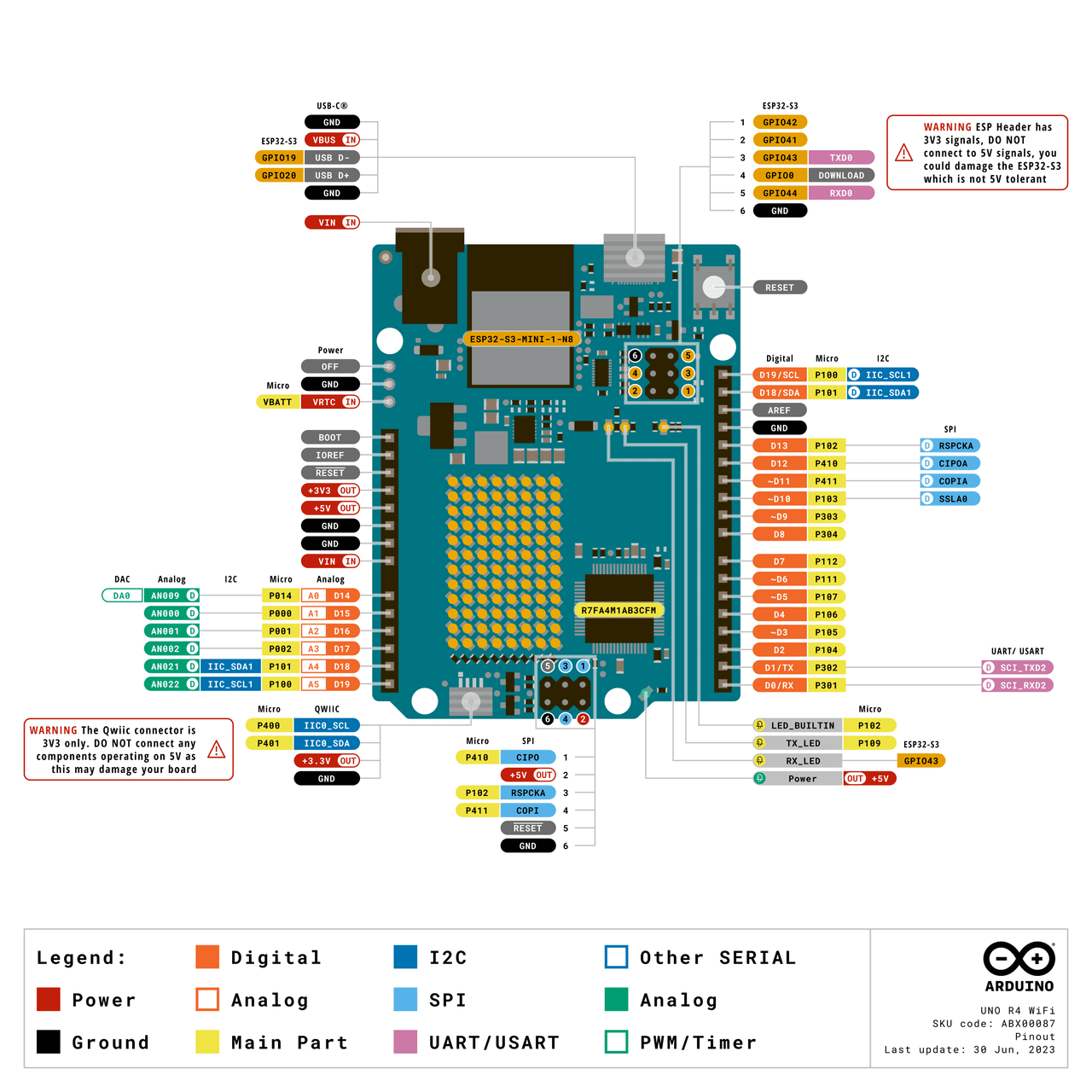
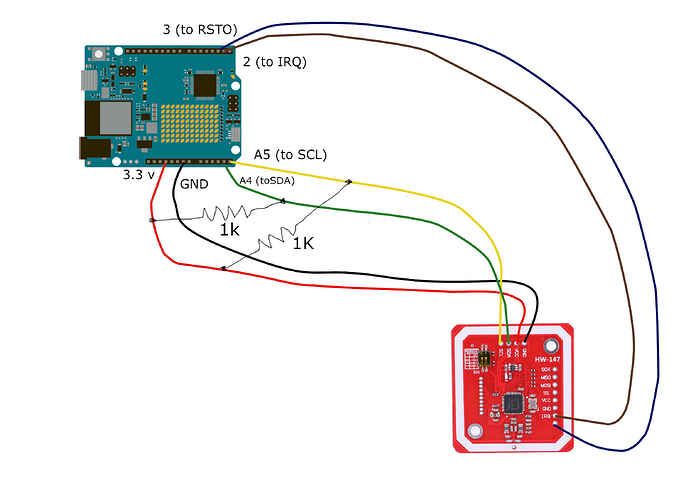
Here I am blogging some more documentation (photos) about the many diverse processes and techniques that are being developed for the scale. The project has grown a little bit and that is a good thing, because more collaborations and minds at work on it gives mor thoughtful results. It is a little bit more work though. That is to say that sharing developing resource in public will take some more time (that will happen mainly on github). And that new tech will take some more prototyping, shown a little in these photos. We have chosen so because by design this project have been allocated a good amount of days, and this prototyping time is indeed very much needed. We are happy that some results are already showing up. I hope we will be able to document it in a more definite and linear way (and working on that, studying developing sharing techniques such as this one https://learn.adafruit.com/the-well-automated-arduino-library?view=all), but I am happy to upload the process in this blogging style too.
See you next update!
PS If you have some Arduino-savy friend that would like to give an helping hand, we are researching for solution also in Arduino public forum, this is the link to partecipate to one of the research topic https://forum.arduino.cc/t/pn532-works-on-the-uno-r3-but-not-on-uno-r4/1291234/7
6
Summer Report
Hello Precious Plastic friends!
Yes, this again is going to be a little colloquial update, but we are achieving a solid base structure both in the HW and the SW development, which technicalities we would like to share in a better structured way next.
So what's up? A whole lot.
First of all I managed to ask Lorenzo if I can share his role, and i can, so I am happily announcing that this research can count on the support and the work of a professional coder, graduated in Physics. Check him here if you want, Lorenzo Pistone https://github.com/pisto .
His contribution is big. In few words, he is working on implementing a super powerful Operative System on the Arduino R4 (the HW at the heart of our project), called FreeRTOS, with a bunch of firmware/SW hacks that can turn this inexpensive and not-power-hungry board into a computing beast. More details about this in the next updates.
Here we would like to announce that these researches and the advanced prototype of the Blastic IoT Scale will be showcased at the EU Maker Faire in Rome next October ( https://makerfairerome.eu/it/ ), this will give us a lot of incoming opportuinies and a boosting milestone early in the development schedule.
I love to say that at the Maker Faire we will be a triple showdown of Precious Plastic, involving us PP Genova (Blastic), PP Torino, PP Romagna and feauting from Smashing Plastic and others. We hope to be the nucleus of a future community hub calle PP Italia.
Let's get back to dev updates, in no particular order:
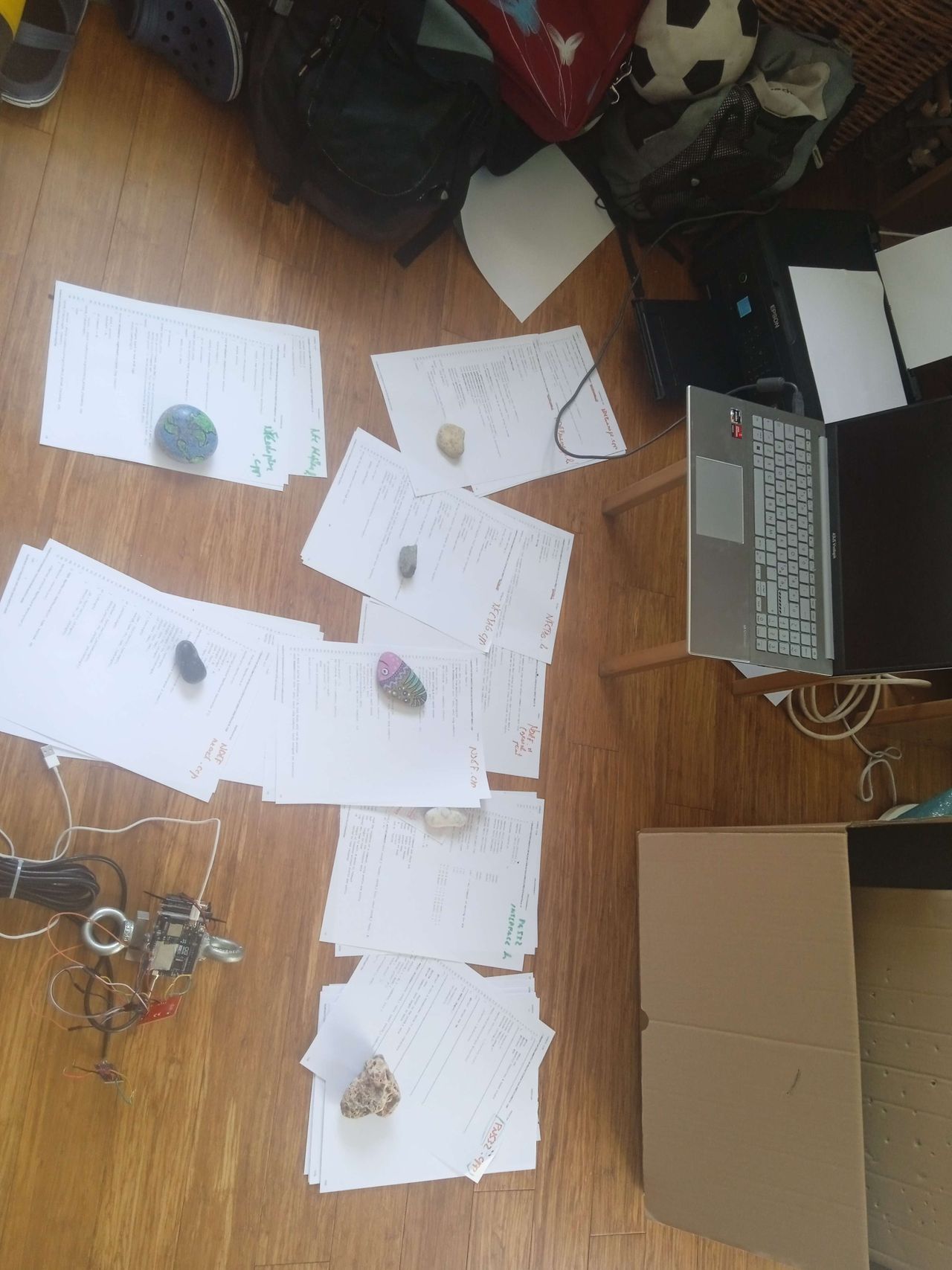
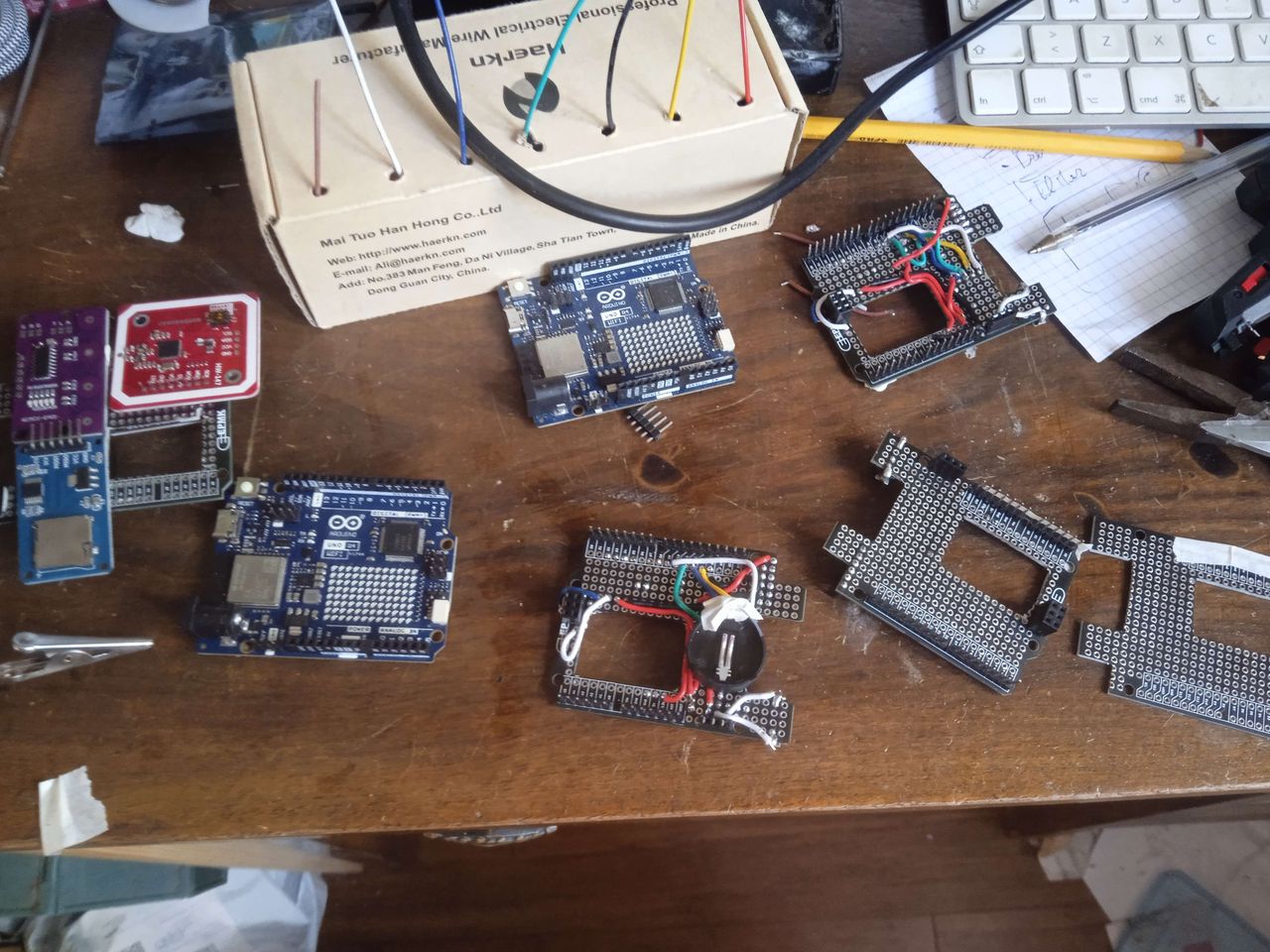
- we debugged PN532, NDEF and NFC libraries, pieces of code that let RFID/NFC contactless id recognition to be executed on the Arduino R4. This was a big achievement, but has requested days of work. There is a photo with more than 100 printed pages that ended in a succesful rewriting of two mere lines of code.
- Lorenzo has succeded in the first hackings of FreeRTOS on R4 and is continuosly translating the code written in normal Arduino in the new context, and that is huge also because when we brought all the separate functions of the scale together, the microprocessor struggled and glitched, while with the hacked SW it supported this big work we are stacking on top of it. This means this coding style is extracting tons of value from this HW
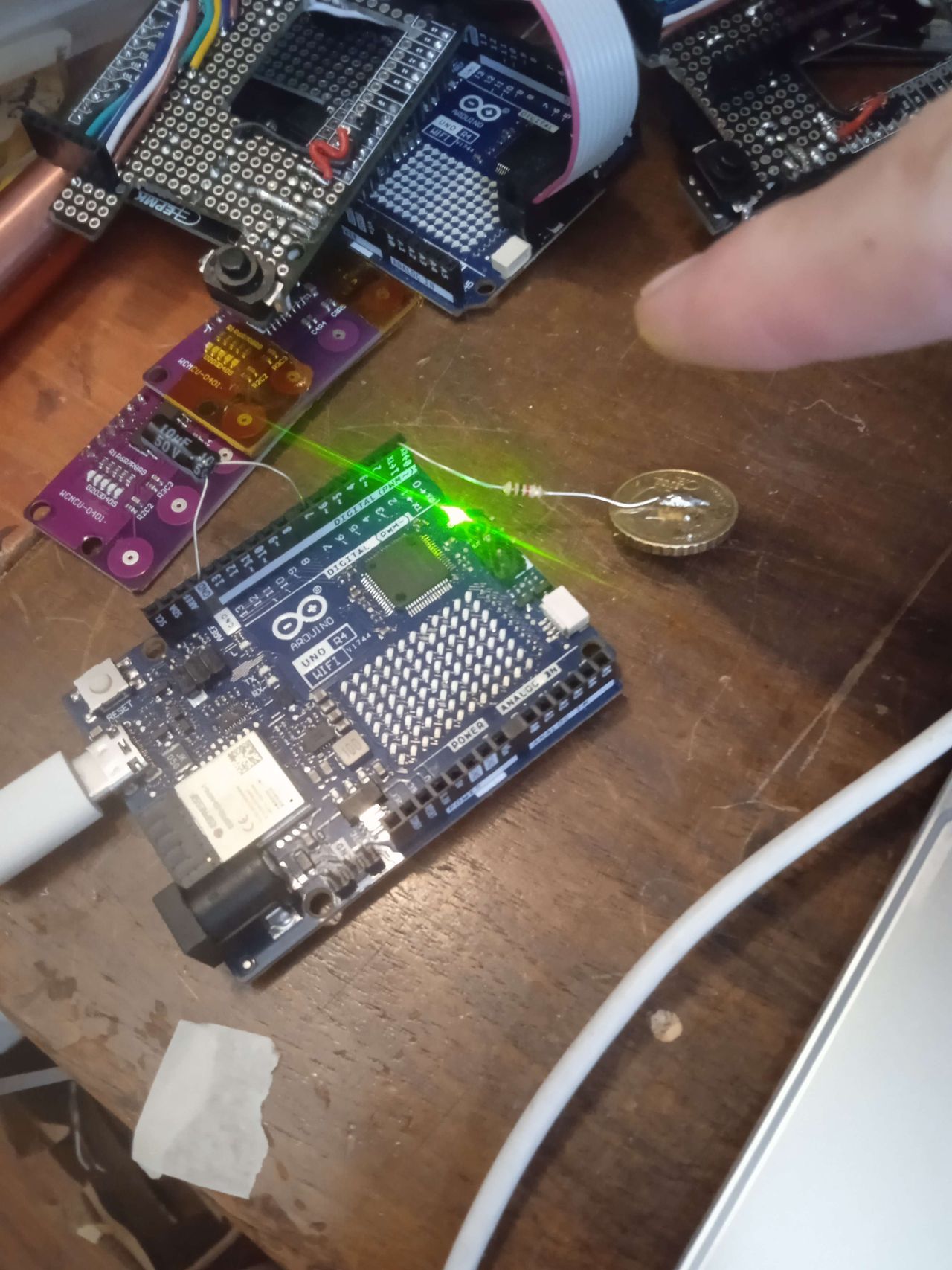
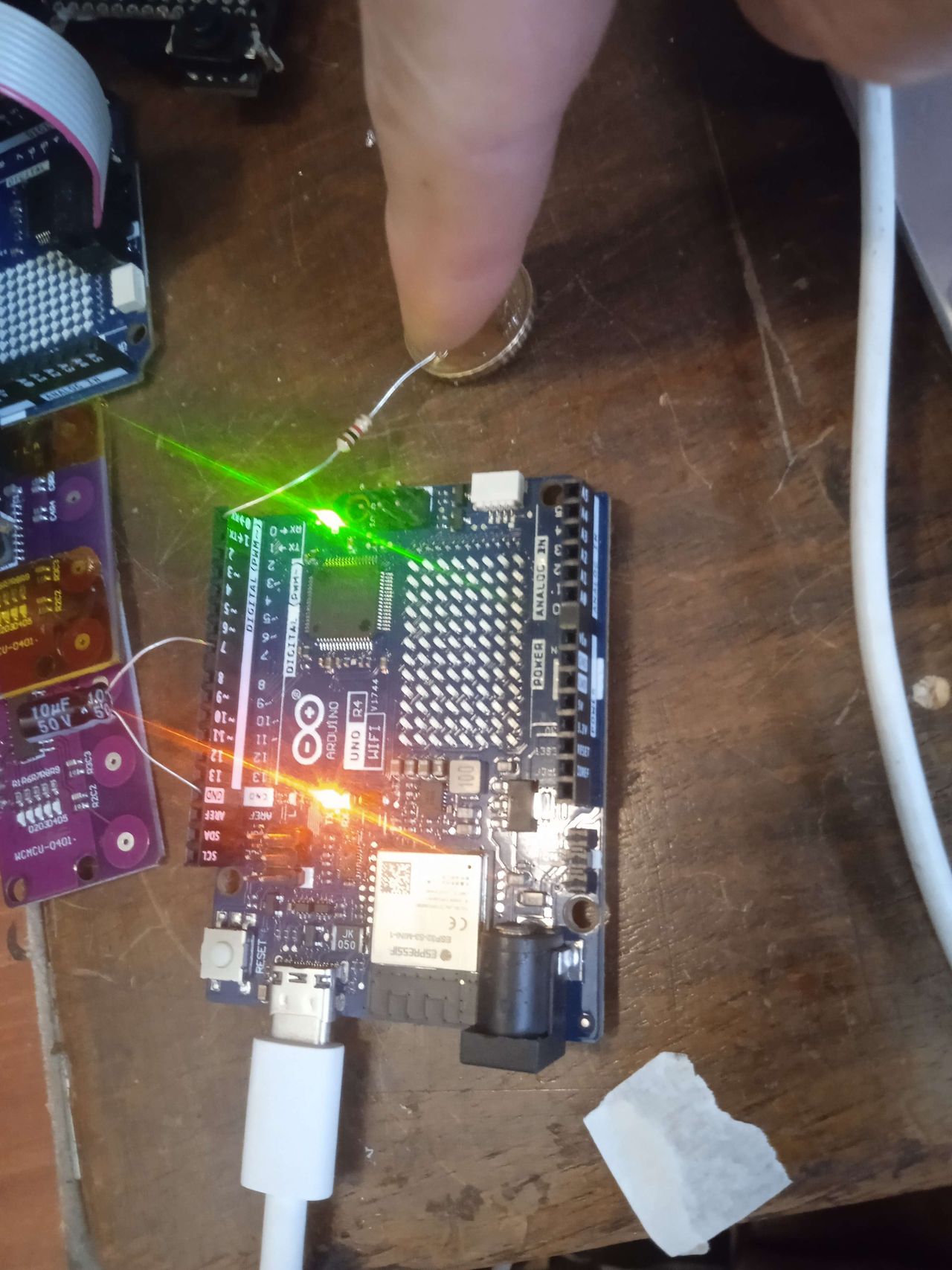
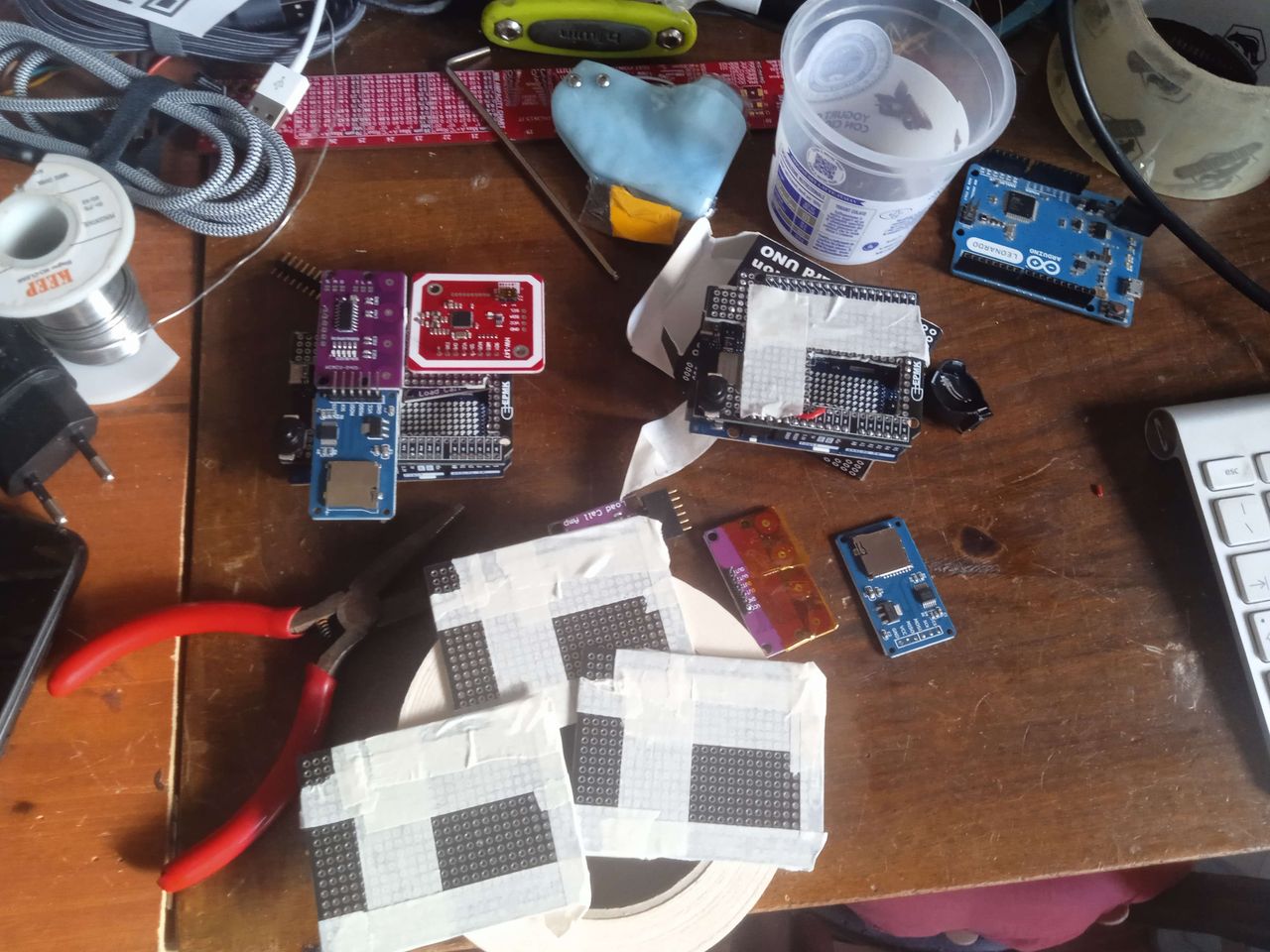
- Speaking of optimizing value from the components employed in the Blastic Scale, that led to a design principle to let the components to be both cheap and accessible for the Open Source community. So we sorted four separate breakout boards, to get the desired functions from the scale: Load Cell Amp, NFC (PN532 ic), Capacitive Touch and SD card logging (check photos). That is one more than planned (sd logging). We managed to arrange them in the constricted space of the board and do the electrical wiring accordingly. Some of the testing has been succesfull, other needs improvement.
I have ran out of words for the coin touch sensor and a lot of others details, that will be for the next update!
-191f0a8d67d.jpg?width=1280&resize=contain)
-191f0a3d541.jpg?width=1280&resize=contain)
-191f0a3ee51.jpg?width=1280&resize=contain)
-191f0a41b33.jpg?width=1280&resize=contain)
7
Interface and all-in-one electronic board development
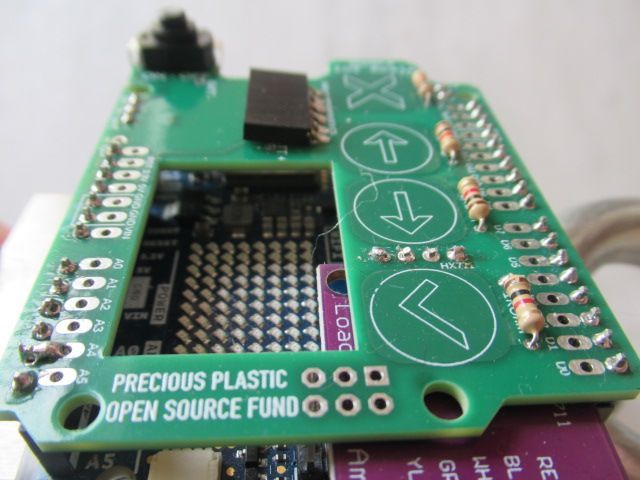
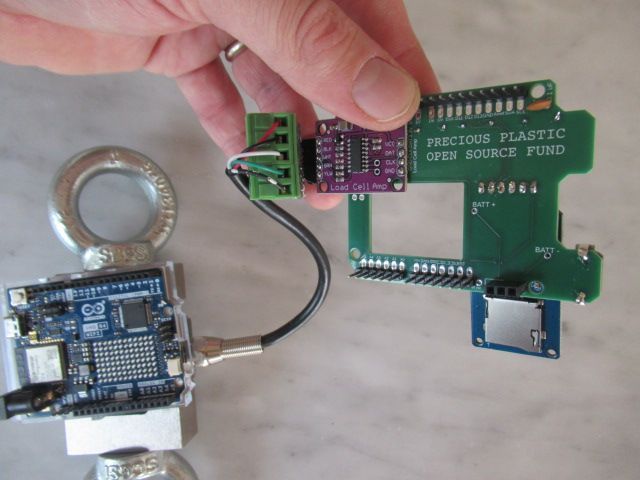
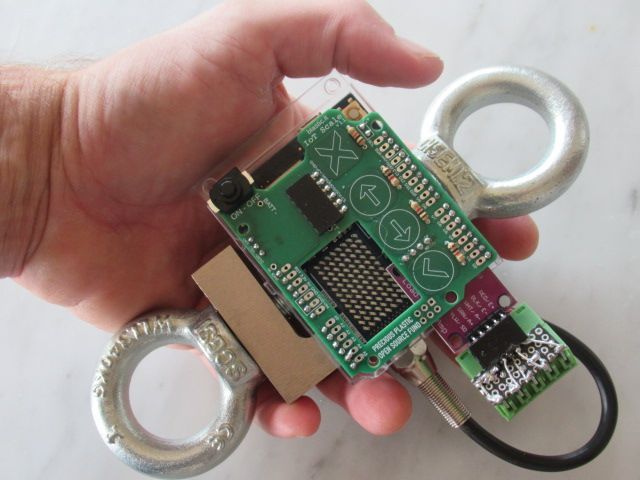
It is Autumn 2024 and the PPOSF funded Blastic IoT Scale developing is focusing on building a custom board and interface that easily mounts onto the core parts of the scale. The video shows the assembly process and some sneak peek into the pieces (still in developement towards the final object but already working and ready for future developements). In this period of time also coding work has been done. In the next updates we will be able to share some of that work open source style! stay tuned
8
First Release!
We are happy to share the first publication of both the whole body of coding to run the blastic scale and the files to upload to PCB manufacturers to get your board made (very cheaply). This is the first step that technically makes this an open source project, but for now it is hard to make or configure it by yourself, realistically just skilled makers, volunteering developers or beta tester will be able to use it. Therefore next months will be about proper documentation, test and guides to make the blastic scale open source really an useful and friendly tool. Also some improvements will naturally stem from the reviewing process and some are already into an improvement list. If you want to apply for beta testing and recive a free copy of the blastic scale and/or live support for its implementation shoot me a message on Discord, user @blastic.design.
Feel free to check and comment our work at
https://github.com/pisto/blastic-scale - blastic IoT scale software
https://github.com/reganissu/blastic-scale-board - blastic IoT scale board
Below I am pasting an extract from the Readme intro from github:
--------------
Blastic scale
--------------
This is the software for an IoT scale, based on the Arduino UNO R4 WiFi, for the Precious Plastic project. The project is financed by the Precious Plastic Open Source Fund.
This software is in beta phase.
- What it does
The scale is intended to be used by plastic recycling workshops around the world, to monitor the weights of recycled plastics. The weight data is uploaded to a data collection page, https://upload.preciousplastic.com/ (or a custom one).
- Binary releases and upload
You can download the latest release from the Releases section, https://github.com/pisto/blastic-scale/releases
.
The firmware can be uploaded to the board with arduino-cli, using the following script:
# from the project main directory
./scripts/arduino-cli/upload.sh
As of now, wifi connection parameters and other essential configuration can be set on a serial command line interface. After uploading, use:
./scripts/arduino-cli/monitor.sh
# now type these commands to configure wifi parameters and collection point
submit::collectionPoint my collection point
wifi::ssid my-network
wifi::password my-password
Please note that there is a tight integration between the WiFi module of the Arduino UNO R4 WiFi and the firmware payload of Arduino. You should flash the latest available firmware for the WiFi module, following instructions from here. We suggest using the espflash method, which should work on all OS and system configurations.
- Compilation
The project currently can only be built with the arduino-cli. Unfortunately, the Arduino IDE does not allow changing compilation flags, which is necessary for the correct compilation of this project.
First install the Arduino CLI, then compile the project:
# from the project main directory
./scripts/arduino-cli/compile.sh
9
Beta testing 1
Hello!
News for this first month of beta testing of the scale are:
1) we have found the first urgent implementation needed for the code, that translated in the new section "persistence", about 400 lines of new code and integration of the new method into the whole code system. Persistence is used to retain specific settings of the scale like calibration of the load sensor and cells, wifi id data and other user settings in a particular way (EEPROM memory) that retains those info after updating the firmware or simply resetting the scale. One major change as a consequence is the usage of the scale without the need of a usb cable. (check it here https://github.com/pisto/blastic-scale/releases/tag/v0.2)
2) more than 200 likes to the project on the post about blastic scale on @realpreciousplastic instagram account
3) Creation of the discussion session, a public space on blastic scale github repository to follow live the SW developement issues, ideas and news, useful also to collect beta tester inputs (check it here: https://github.com/pisto/blastic-scale/
discussions)
UPCOMING NEXT:
research about: more automation and features obtained by the same HW: SD card simulation from internal ESP32 memory
BOM document to shop the component to build your own scale
enhanced documentation
10
Beta-testing 2
Project is going on with:
- SD card library coding into the binary, an added functionality to customize data analysis from the scale usage
- documentation embedded in the code itself, that is a practice to enable code readability, comprehension and possible modification in a true open source style.
Sorry for the coincise and late news in this month, but personal mourning had to be faced. It is just natural that this could happen in a project that is lasting for more than an year, so I am not worried about the ongoing continuity of this project, thank you for your patience.
As stated in the last update, a BOM will be published and an ongoing work with beta testers will be established. This will be a work of revision that will be done thanks to the discussion feature of github repository system.
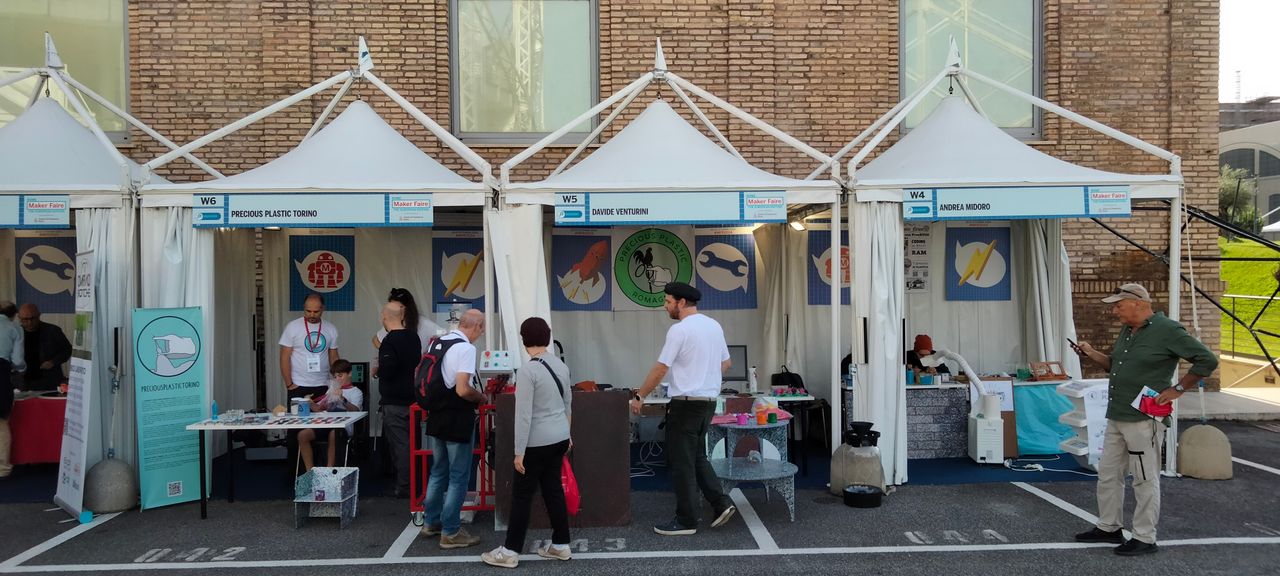
I'll leave you with a photo from the past European Maker Faire in Rome, in which we also presented the IoT blastic Scale live.
Until next update, bye, Andrea
11
Final Rush 1
Hello PP community!
This is the first update of the final rush series, that will bring this research to the publication of an How-to module to guide everyone that is willing to build their own open source blastic scale.
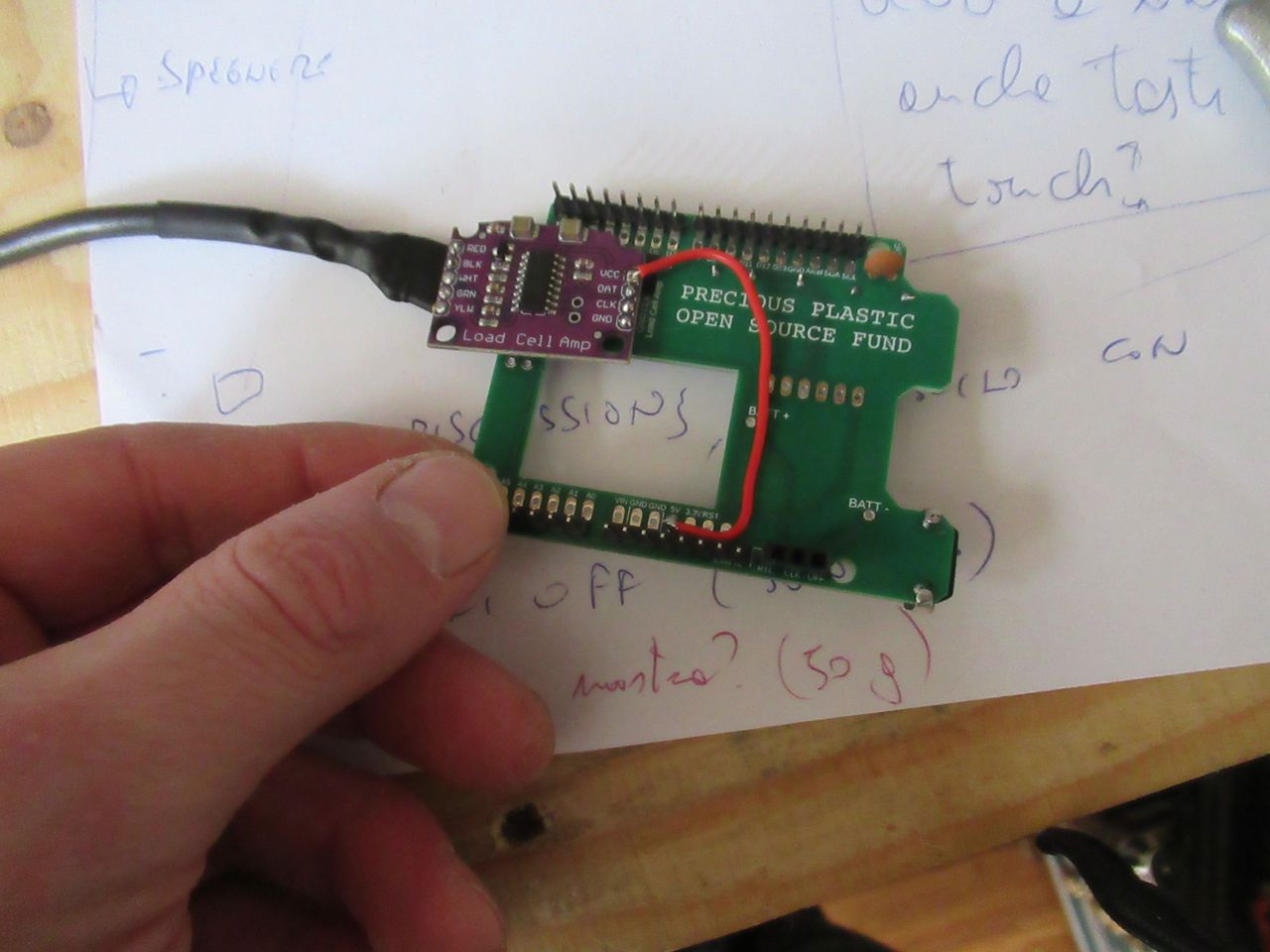
In this first update there is a technical news, which is a modification of the electrical wiring of the load cell sensor amplificator to drive it from 3.3V to 5V current (check the re wire in the images. that will be integrated into the pcb in its next 1.2 iteration). That has been the right solution to solve a problem that has surfaced during beta testing, that is drifting in the scale mesaurements over time.
Other news are ongoing developement of the sd card storage system in the software side of the project, and some minor updates published in the 0.3 version of the software here https://github.com/pisto/blastic-scale/releases/tag/v0.3
Also we have ordered some more hardware to make more copies of the scale, to extend testing in various work / lab enviroment and it will be here in the next days.
Next updates will be about that sd card implementation and more beta testing made in Florence and Rome (respectively smashing plastics and spazio r workspaces, . It ill be interesting also to follow their experiences with th scale, they will be also publishing about that on social media and i will link that here.
See you at the next update!
Andrea
12
Final Rush 2
Hello PP community!!
This update is about refining touches of the blastic scale, because we are getting near the completion of the project.
But there are many refining steps ,because of the ongoing feedback coming from beta testing. speaking of which, in this update that has been big. We had the opportunity to travel and spend three days together with two beta testing workspace (at least five people involved), and gathered a lot of feedback from the blastic scale custom setup and usage on the spot in a very busy workspace (they were prototyping new objects - cnc'd furniture, a bench and a stool - building an upcoming kickstarter, and recycling altogether - about 60 kg of sheetpressing done in two days).
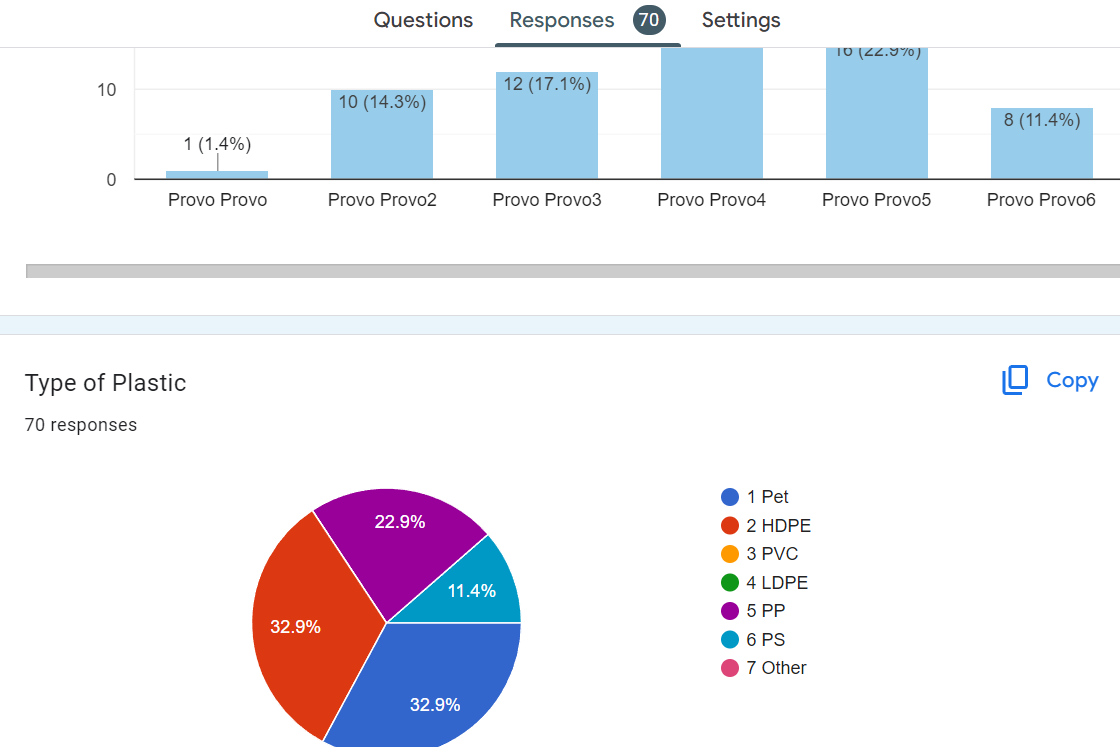
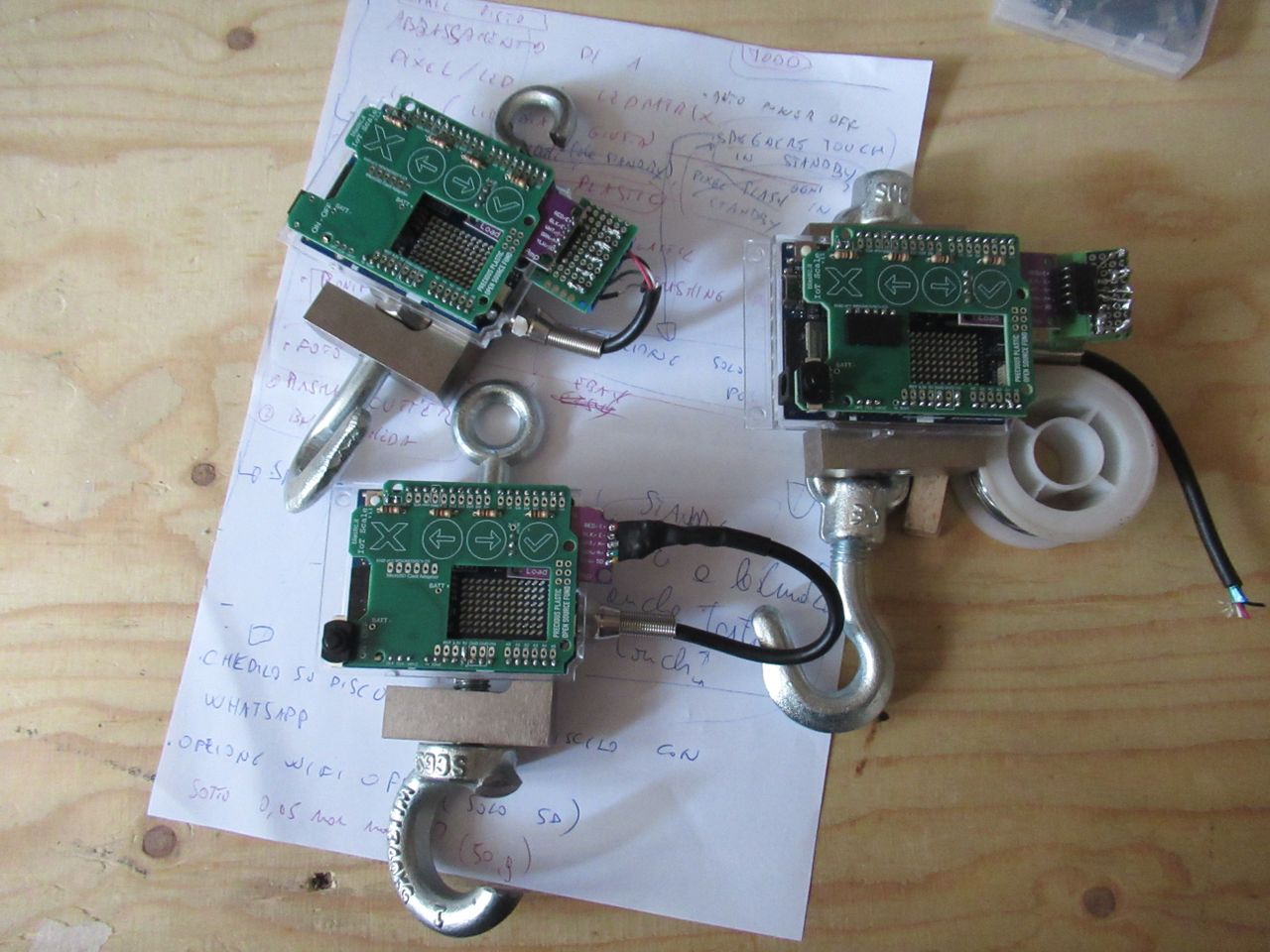
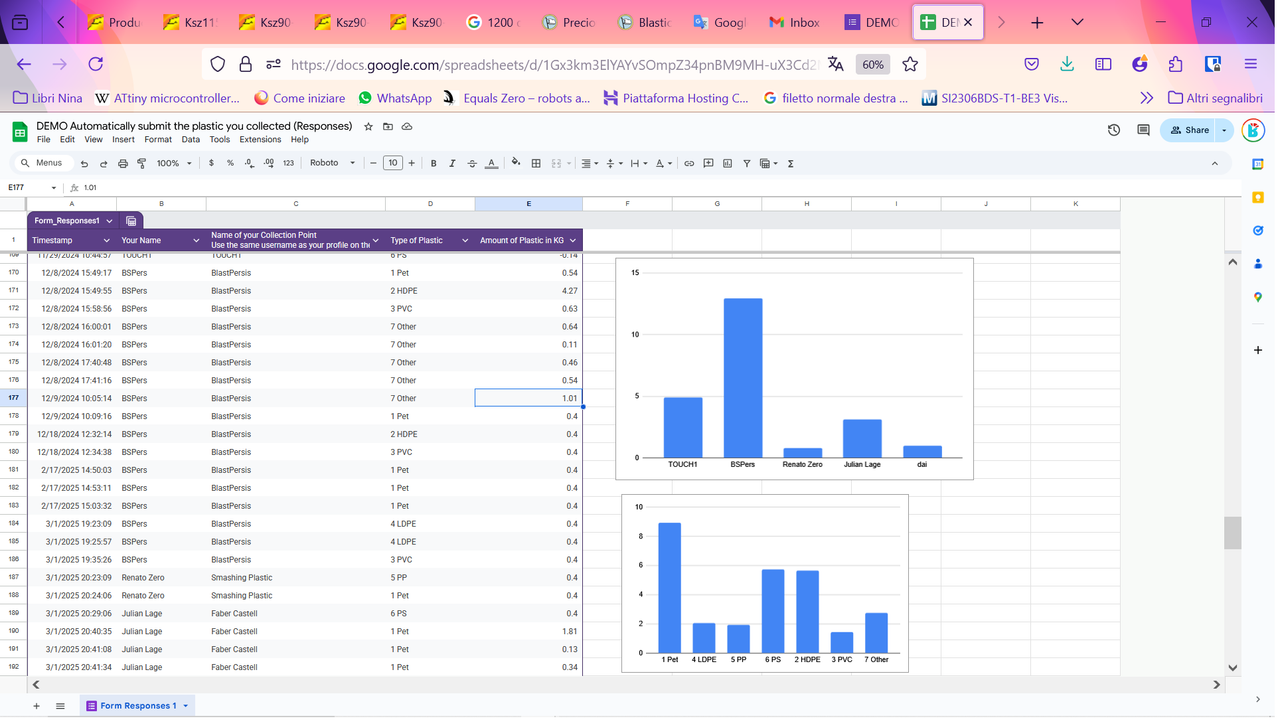
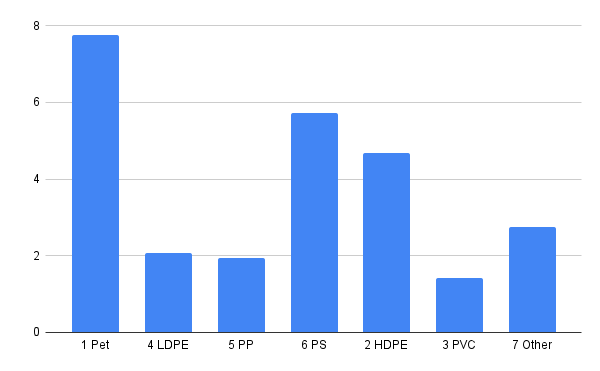
So we gathered interesting insights about the usage of the blastic scale as a tool to semi-automate the tracking of the plastic (sourcing, micro-recycling ecc ecc) to incorporate those info into the final product (via nfc tags or qr code, in a very innovative way with the support of professionals from marketing and blockchain infos into products and processes). That have been surprising and productive, since we have took a deep look into the opportunity to elaborate data uploaded by the blastic scale into the google form (double upload, to PP upload form and custom one, and also SD card offline upload, which is a great new feature of the improved code in this update) - take a look of the screenshot into the images below, more info about the procedure into the upcoming (end of April) How to.
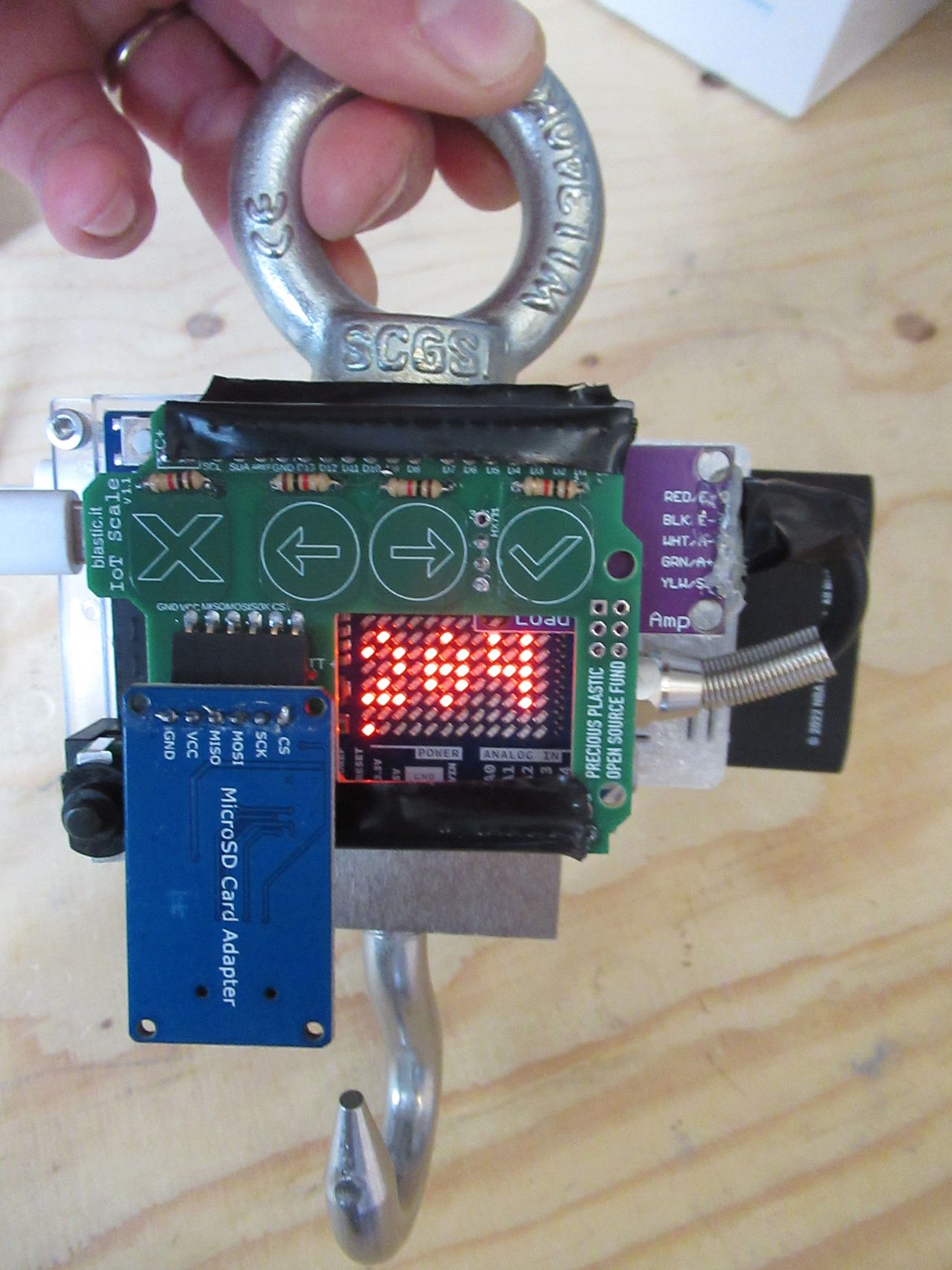
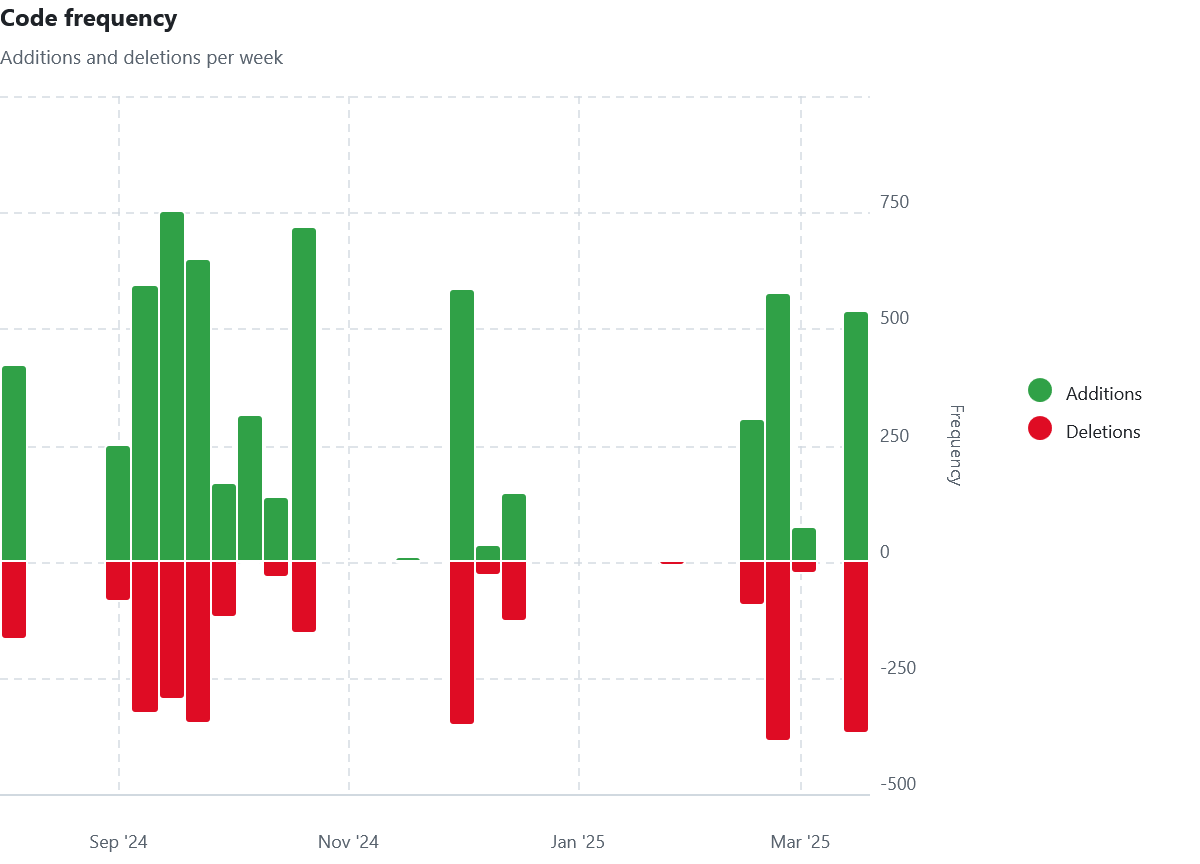
There have been also a lot of improving about the power management for the Blastic scale and we have designed a 3D printed addon that help give the scale sturdiness and allow to strap a power bank to it, getting 24 hour of continuous usage with wifi connection, for the same part price of the previous system (9v rechargeable battery). You can sneak peek at that in the image below.
Besides those improvements, both Hardware and Software and huge feedback collecting from beta-testers, we have been designing a new iteration of the PCB that includes final perfecting touches and building process improvements. More about that in the next update.
Until then, BYE, see you soon!
Andrea
Blastic design, Precious Plastic Genova
-1959a571141.png?width=1280&resize=contain)
13
Final Rush 3 - unexpected improvement
Good day Precious Plastic Community !!!
This time I am feeling like this is a true research topic. As a matter of fact, while I was designing a new version of the board to be shared, for some purposes I will share in a minute, I stumbled on a very inviting opportunity, in other words I felt that while doing the reasearch work, I have found a little something.
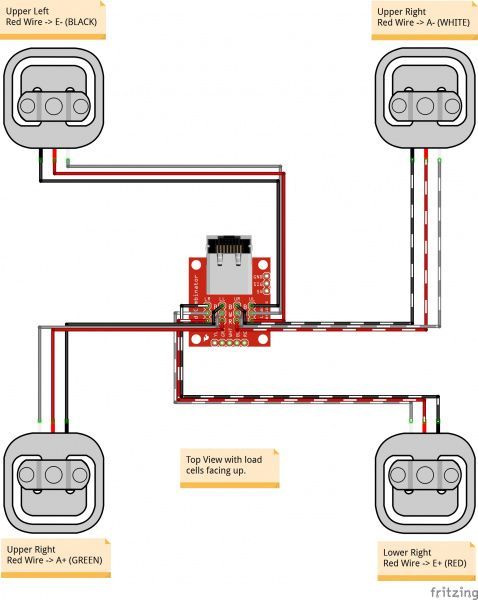
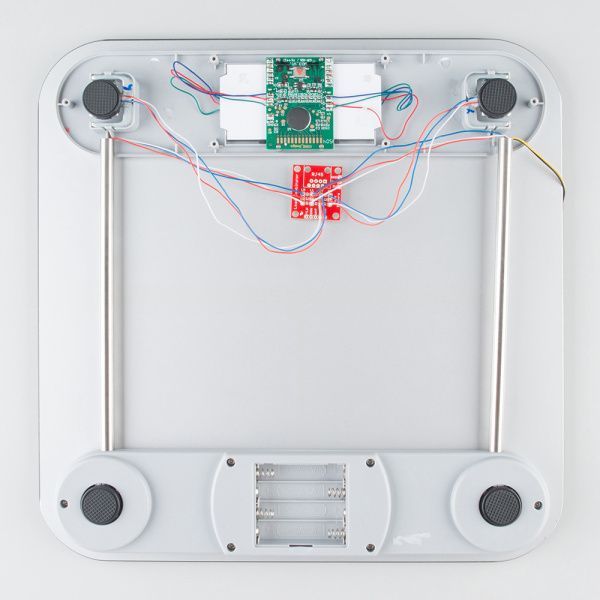
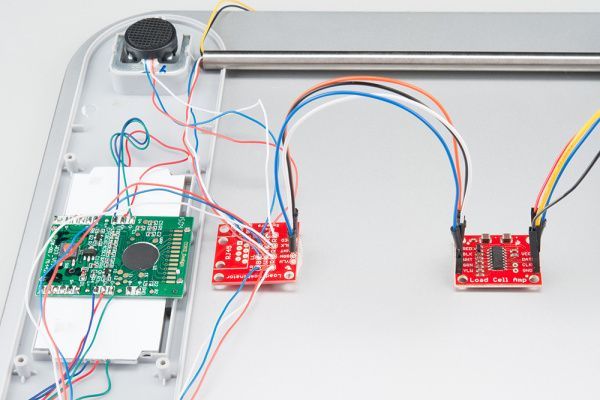
Turns out that a pioneering open source hardware prototyping company, Sparkfun, has enginereed an hack that uses the same chip we are using in our scale to turn regular bathroom scale into HW open scale, called load cell combinator ( learn more https://learn.sparkfun.com/tutorials/getting-started-with-load-cells/combinator-basics ). What a great opportunity to embed this design into our final version of the scale (thank you open source HW community).
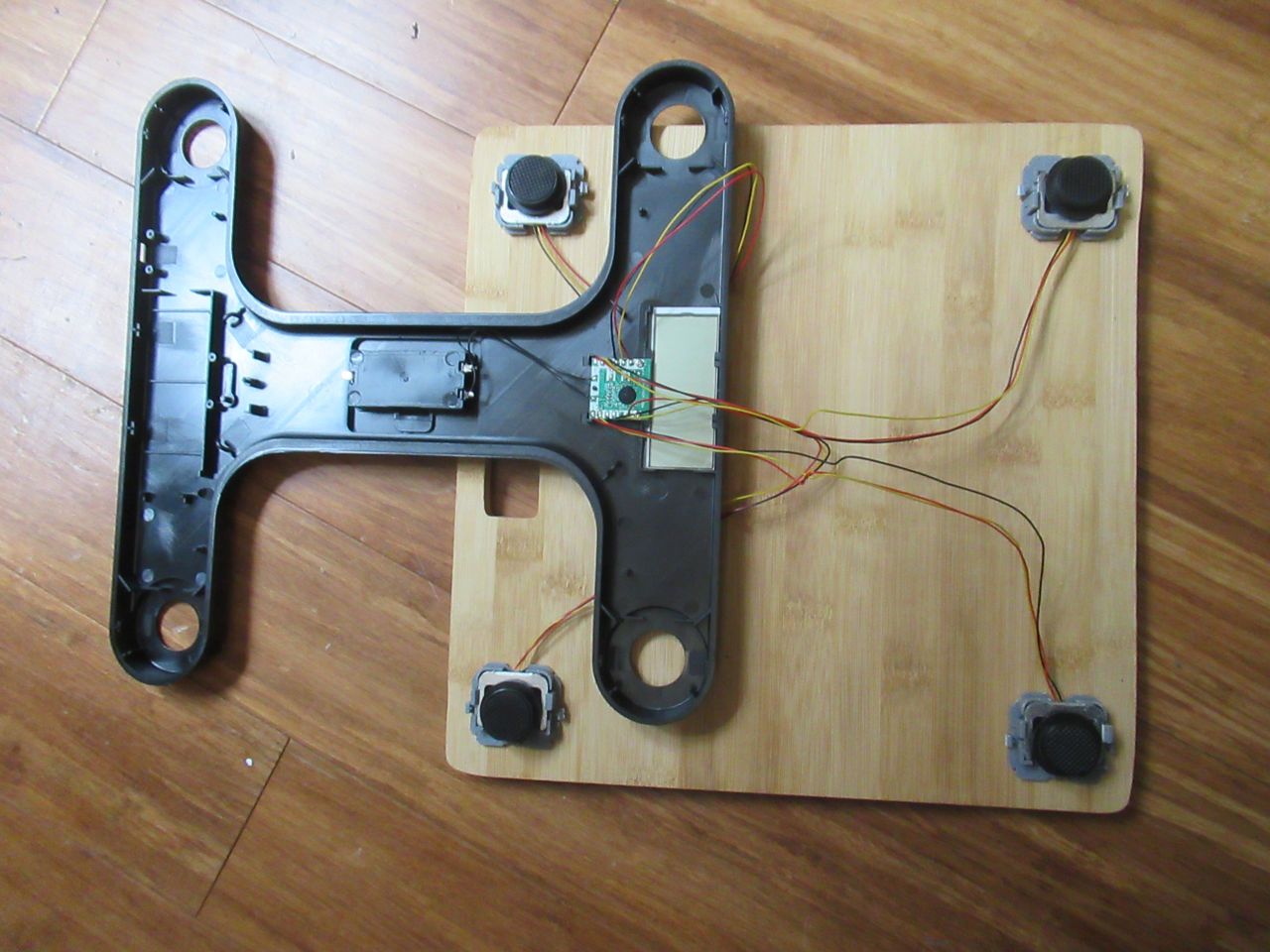
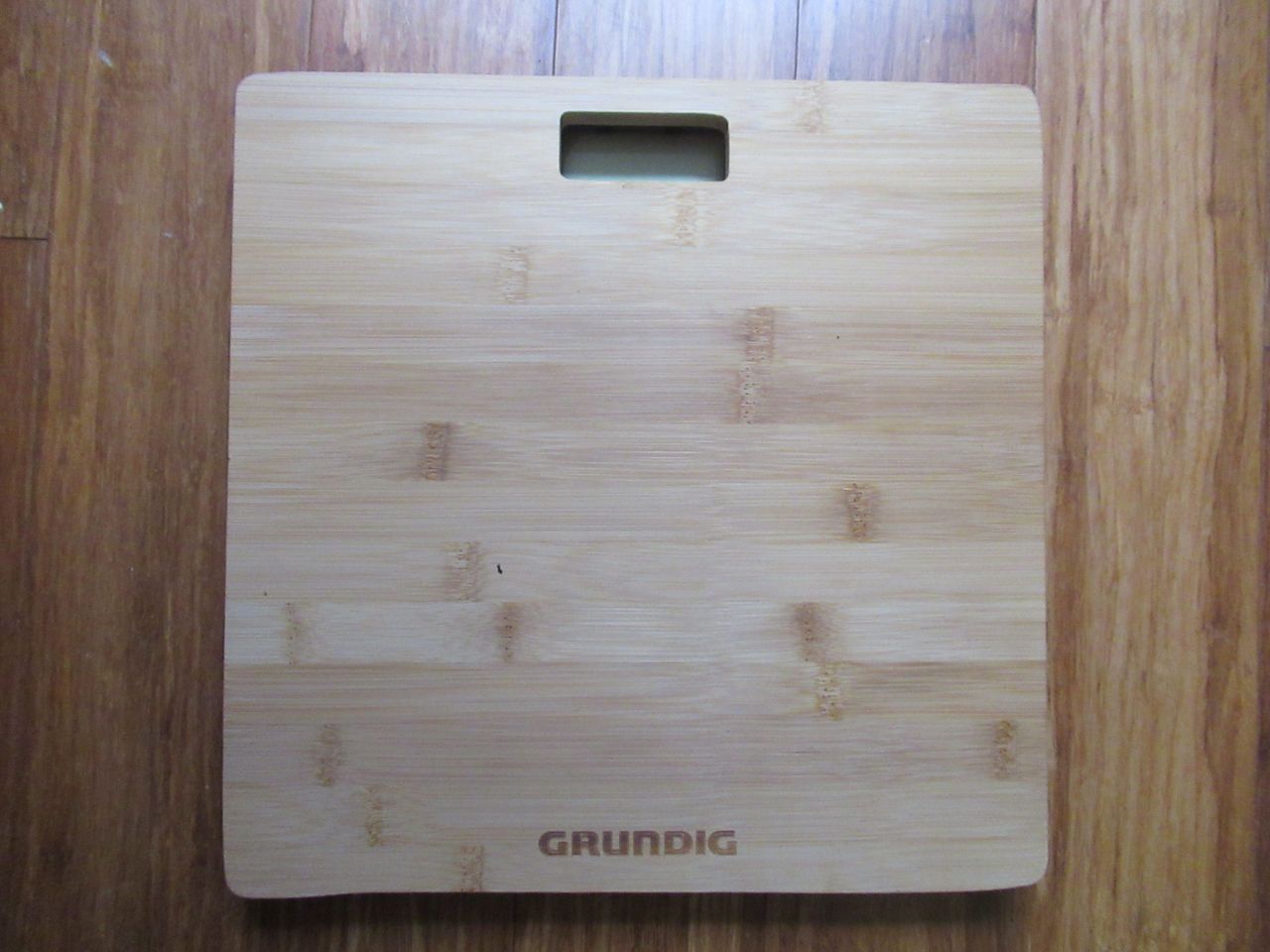
This way our scale will have the option to be built with a traditional personal scale, cutting build cost by at least a third! I am experimenting with a 15 Euro cheap Grundig scale that has the additional bonus in being built with very little plastic (check images, it is manly bamboo), I will share results in the next update as I am waiting for the ordered new electronic boards to be delivered. Other advantages are easier to source parts and the option to have a diffenet form factor for workspace that need that better.
All that also means a probable delay in the final share and publishing of the whole project and how to, but we feel it is really woth it. Let me know in the comments if you were counting in an early release and I reach you back to anticipate something to you.
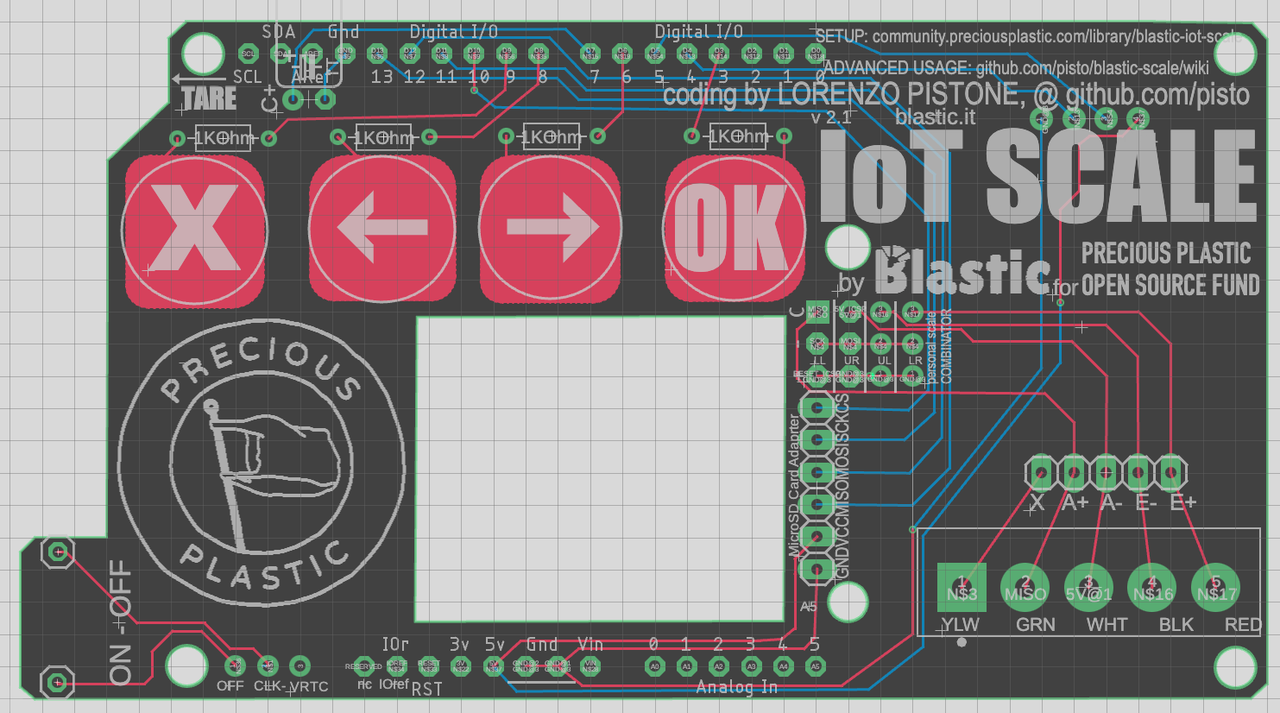
Besides all that, the new board design, v 2.1, will cost the same price as before as a component (5 dollars plus shipping and taxes for ten of them if you order from china) but features:
1) much enhanced ease of assembling (I will explain this in the how to guide)
2) Interference free buttons
3) Load cell Amp power wiring to 5v to eliminate drifting in the measurements
4) Enlarged cutout for better ledmatrix display visibility and better usability for the tare button
5) Elimination of the exposed prototyping pins for better electrical safety in the workshop (still we operate at very low voltages, 5v)
6) QR code to direct link to software repo for easier flashing of the firmware in the setup phase
7) silkscreen with links to the wiki for Advanced Usage guide (already published here https://github.com/pisto/blastic-scale/wiki )
As a final word, we are also perfectioning the software side working in close contact with PP community managers, so we will update about that in the next updates and final shares.
See you soon!
Andrea
14
Beta testing - again
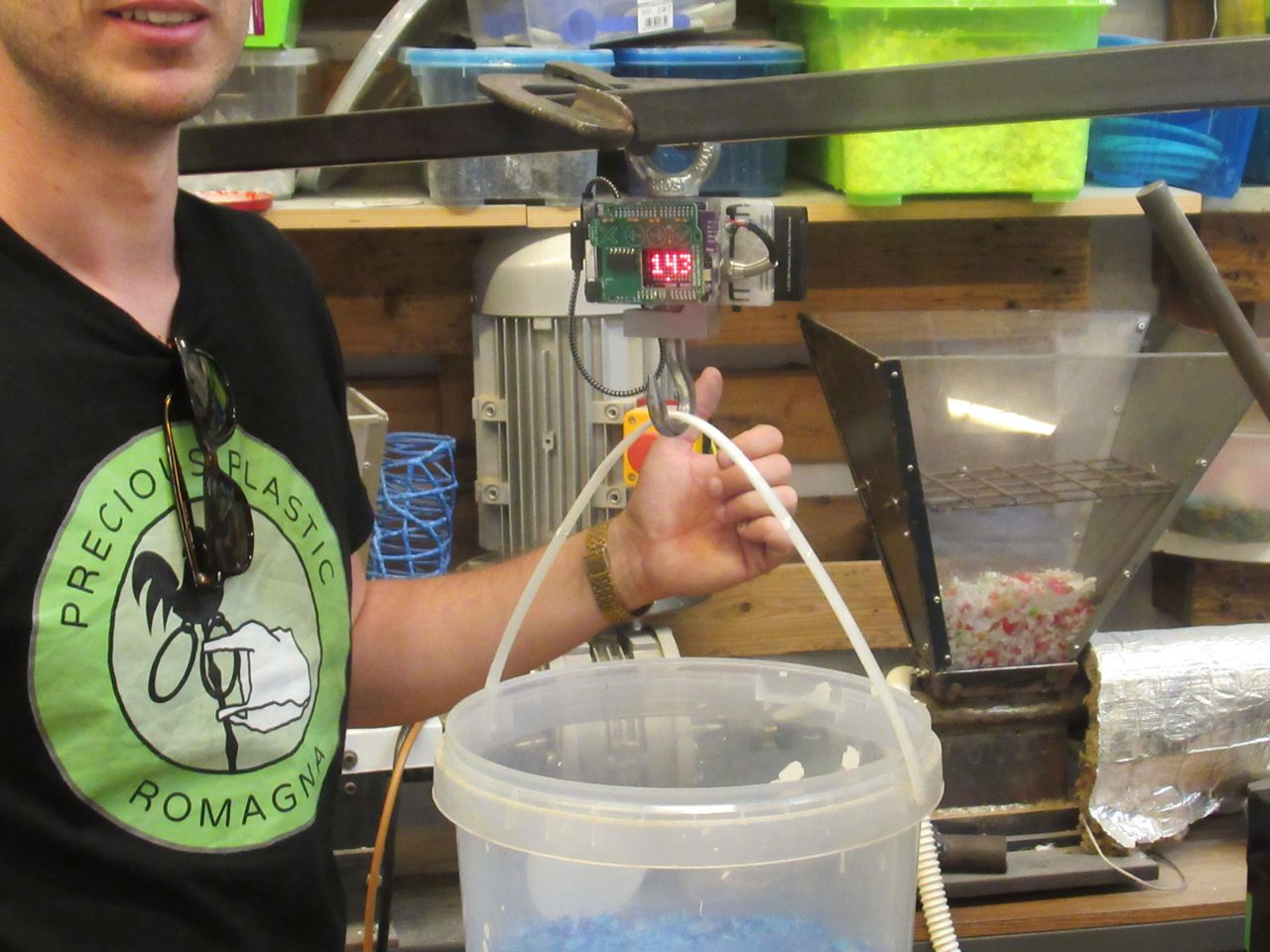
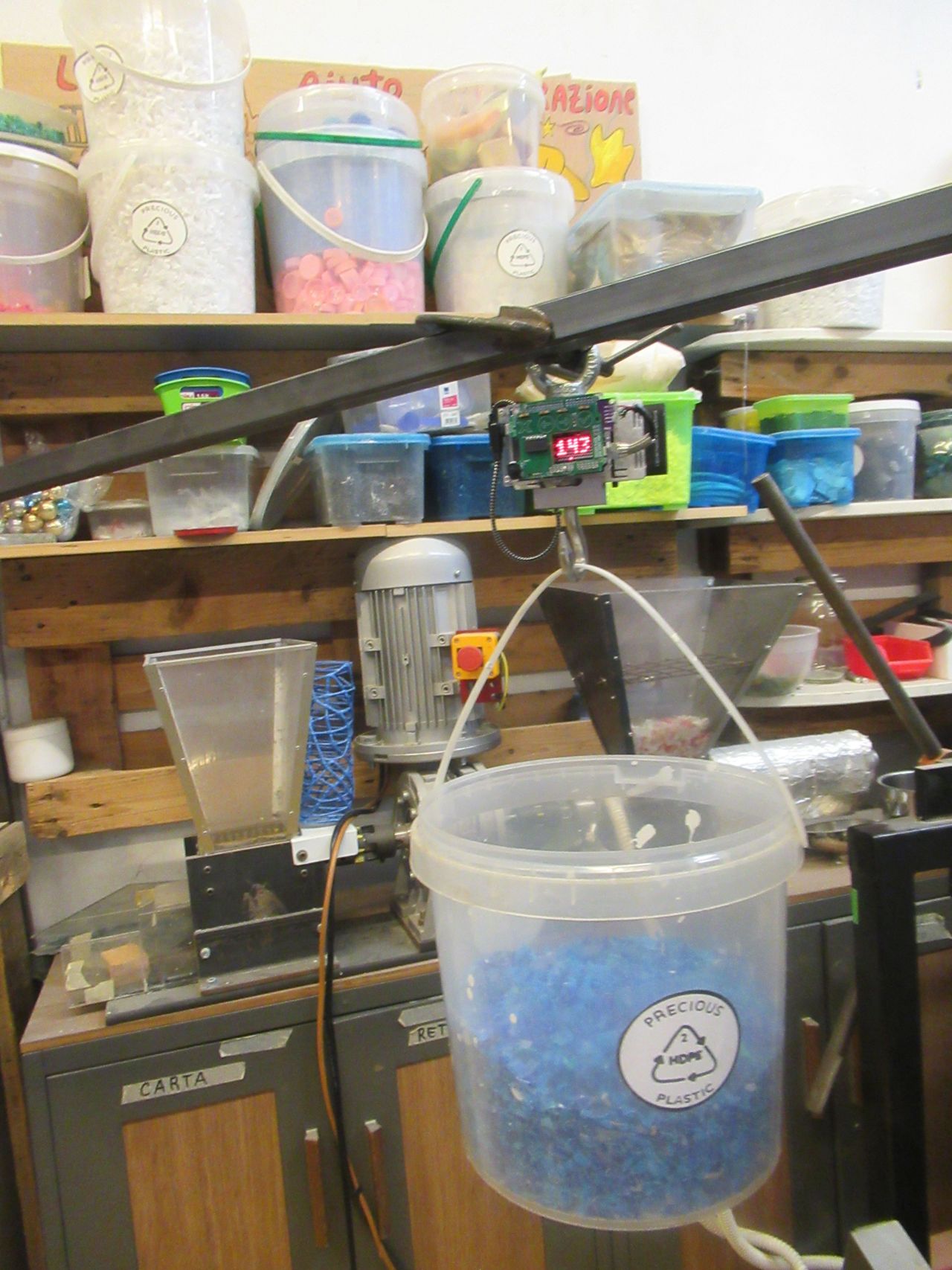
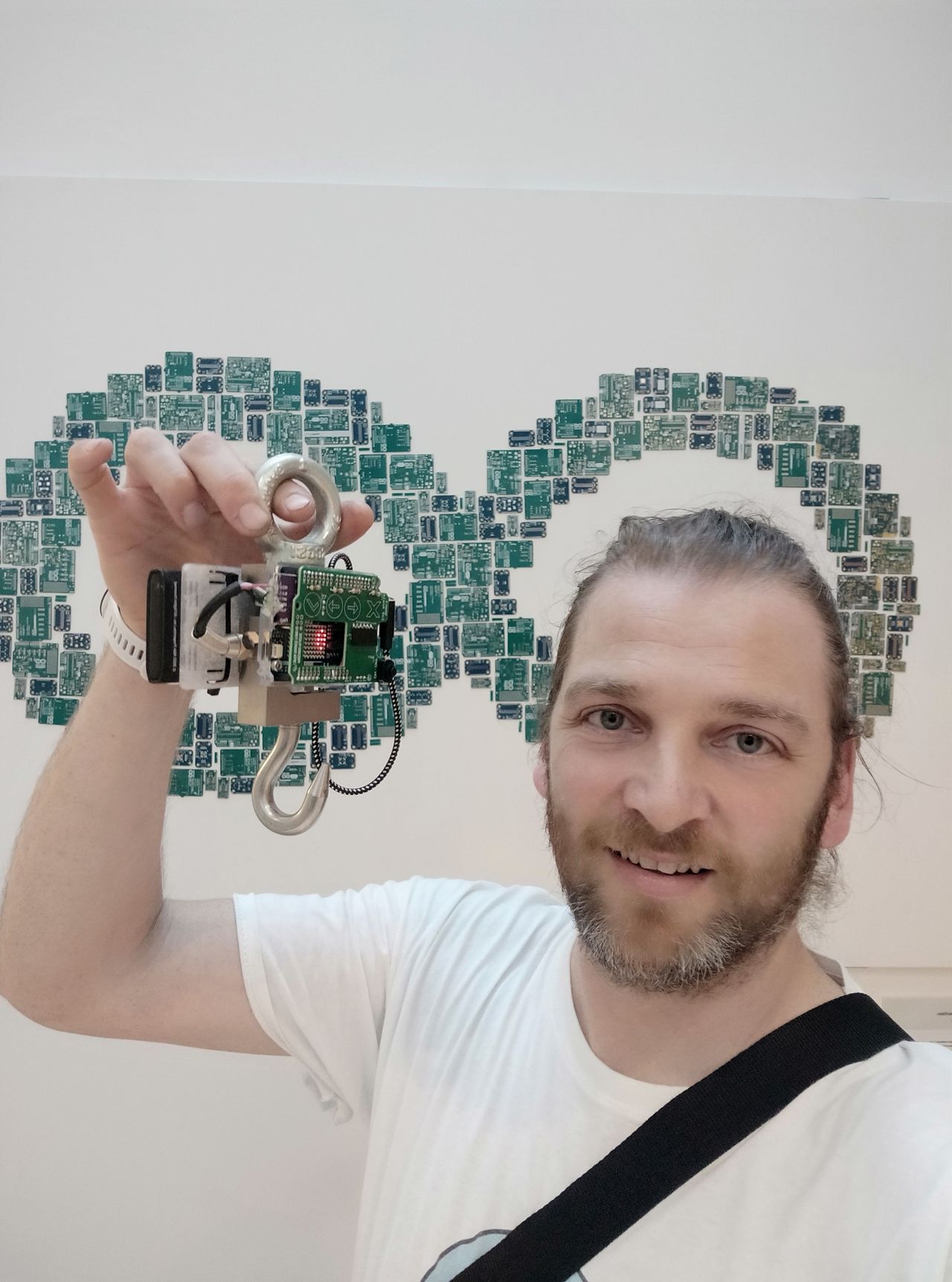
Some interesting encounter and extra experimentation has happened, mainly with some realities of Turin, among which the Officine Creative Precious Plastic Workspace and the Arduino hardware developement team. In the next week some extra updates, we have some videos to upload and finally a timeline for the conclusion of the project with a great dump of software and hardware designs, with respective guides, which will be followed by a tutorial for the various usages of the scale. Stay tuned!
15
Creating guides and documentation
Hello, here are the news:
- last week the software has matured into version 1.2.1 (https://github.com/pisto/blastic-scale/releases/tag/v1.2.1)
- I am creating the documentation to release the project and publish it,
Stay tuned!
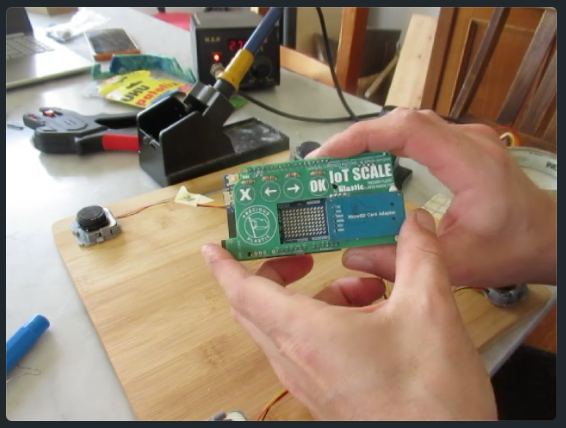
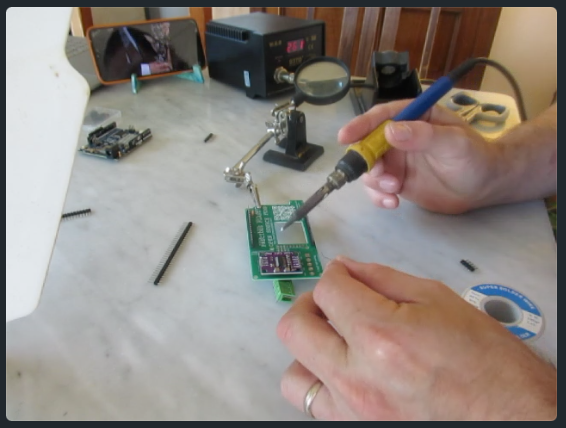
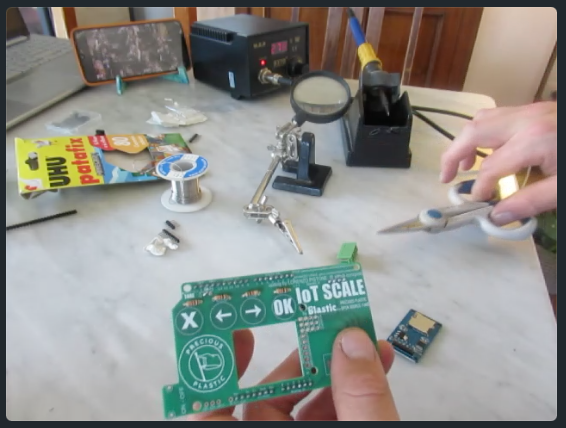
16
Open sourcing the Blastic IoT Scale !! aka project completed
I am happy to say that the project is completed and the Blastic IoT Scale is released as a fully open source project.
Check the library (currently awaiting moderation) to download and build your scale.
https://community.preciousplastic.com/library/blastic-iot-scale---10
Ongoing support for the build and usage at the forum hosted here (checked on a weekly basis): https://github.com/pisto/blastic-scale/discussions
It has been a crazy ride and I am glad to say that (unexpectedly) the Blastic IoT Scale come in PRO and LIGHT version, as one of the cheapest machine/project of the Precious Plastic Universe, still full of potential for Precious Plastic Workspaces and Collection Points.
I will post again, but for now let's celebrate the Open Sourcing of the project, really an amazing feeling!
PS if you somehow are in Rome by October 17-18-19 you have the chance to get one Blastic IoT scale built by me!
I am giving away some (max 5 of them, after a little talk to understand and setup the usage) to active Precious Plastic Workspaces members that show up at the upcoming European Maker Faire, find us in the Sustainabilty Area
https://makerfairerome.eu/