PP Melbourne: Growing Australia’s Micro-Recycling Movement
Most of Australia’s waste never gets recycled and ends up in landfills or the environment. Precious Plastic Melbourne is working to change that by helping people recycle plastic locally — with simple machines, hands-on learning, and a strong community focus. With your support, Precious Plastic can continue to kickstart projects like these all over the world.
How It Started
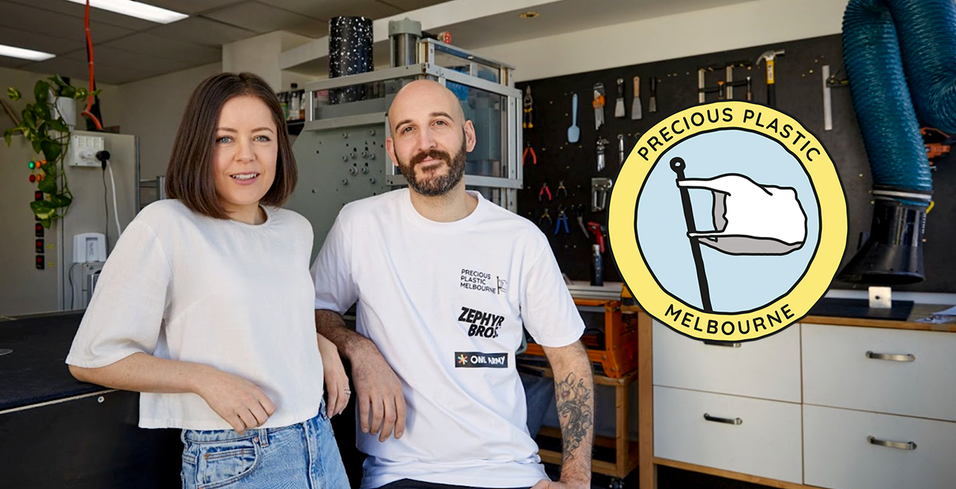
Founders Piers and Kayla Mossuto discovered Precious Plastic while researching sustainable manufacturing solutions. While exploring the website, they came across the many free resources that are available for download, including open-source blueprints. With no background in plastics or manufacturing, they decided to build a shredder and an injection mould machine.
It didn’t take long for things to click. They realised that recycled plastic could be turned into useful, durable products, and that the tools to do this were more accessible than they had expected. By the end of 2019, they officially launched Precious Plastic Melbourne.
“As complete newcomers to plastic and manufacturing, the open-source Precious Plastic plans gave us our foothold. While the movement offered a global framework, we quickly discovered a void in our own backyard — the Australian community was still very small and there was no local network to lean on at the time.”
— Kayla Mossuto, Co-founder
Within the first six months, the team collected more than 300,000 plastic bottle caps from the local community — a clear sign that plastic waste was not hard to come by. Those caps, after being washed and shredded, became the raw material they needed to fill moulds with different designs. Soon they were creating a wide variety of products.
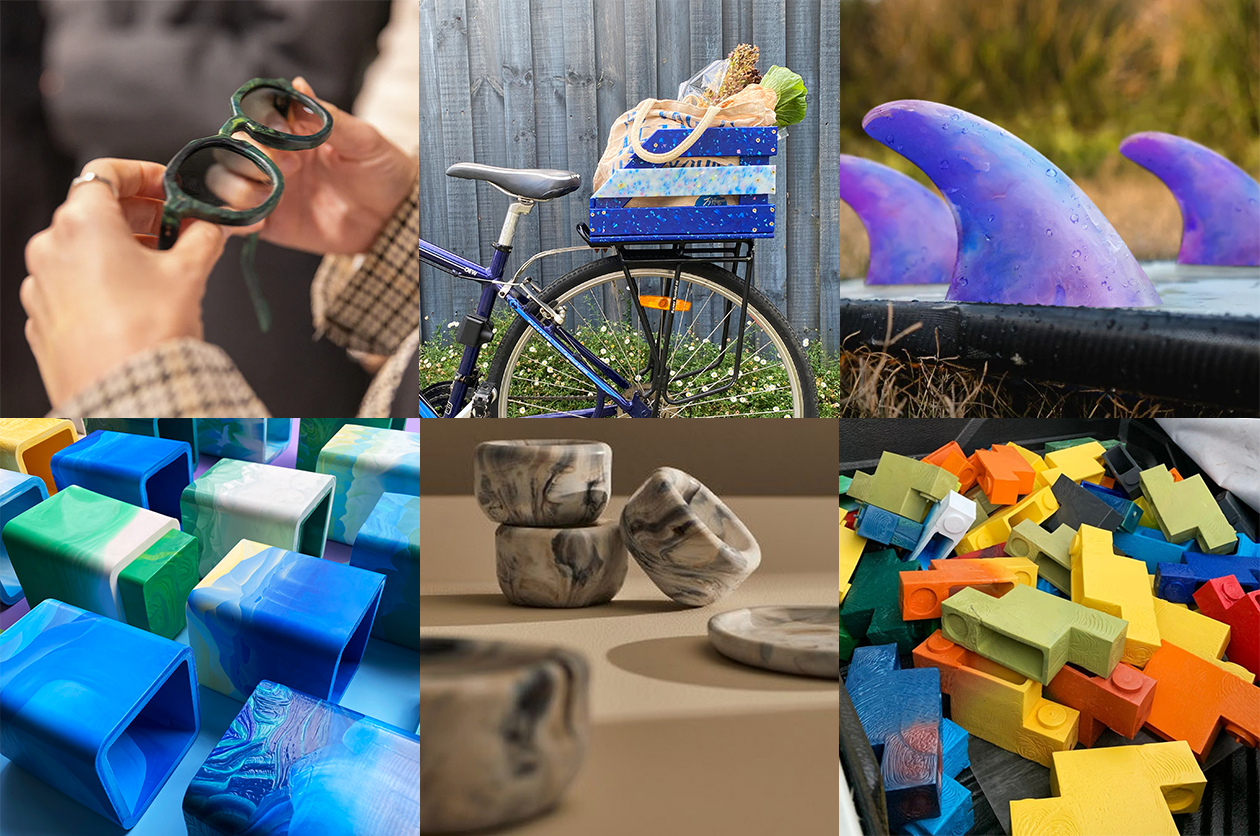
At that point, Piers and Kayla had a choice: they could put all their focus into being product-makers— or they could try to help others discover this new world. They went with the second option.
Adapting Precious Plastic for Australia
First, they needed to make more machines, but that wasn’t so easy. In order to use them in schools and public spaces, the Precious Plastic machines needed to meet Australian safety standards. So the team redesigned the machines with education and accessibility in mind.
This led to the creation of a locally manufactured machine range, known as Zephyr Bros. These machines are now used in schools, organisations, and community-run workshops across Australia, and in some cases overseas.
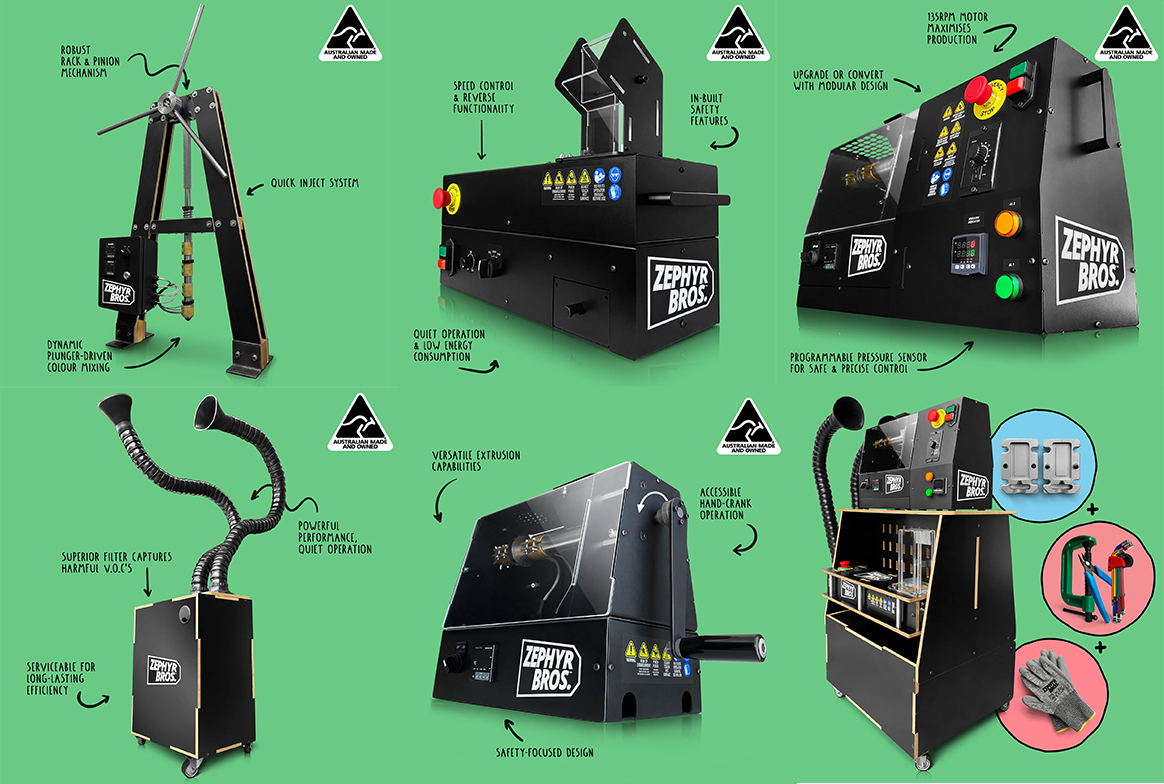
From there they moved their focus to teaching people how to use the machines.
Education and Workshops
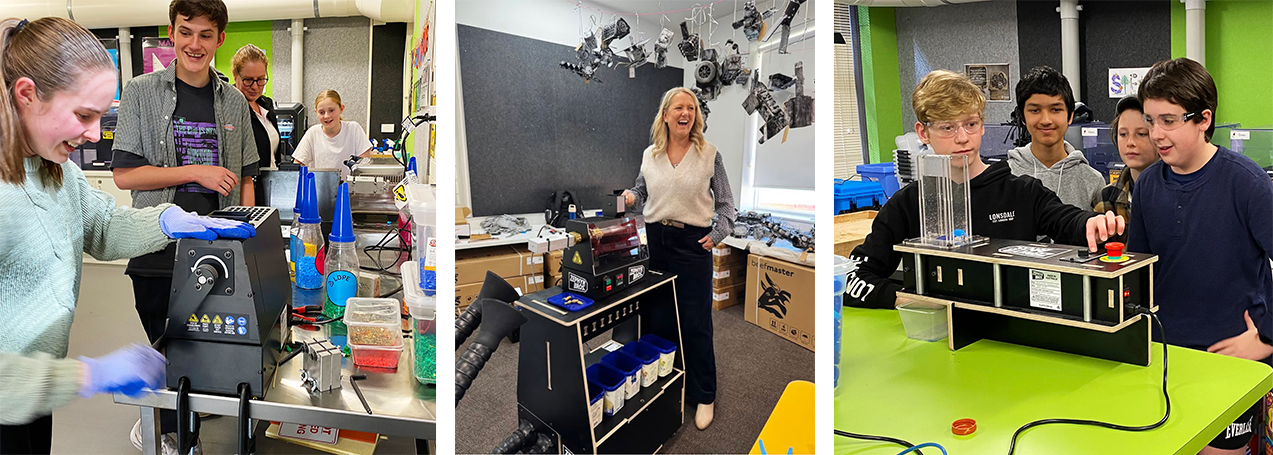
They began to run educational programs and workshops for schools, businesses, and community groups. These sessions emphasise reducing consumption as a priority, involving students in the hands-on process of using real machines to intercept plastic waste and transform it into new, functional products.
The goal is simple: make plastic recycling practical, understandable, and empowering. Instead of talking about sustainability in theory, people get to experience it hands-on.
In schools, this approach helps students see plastic as a material with value — not just something to throw away. In organisations and businesses, it opens conversations about waste, design, and circular systems.
Working With Different Sectors
Precious Plastic Melbourne also collaborates with businesses on specific recycling challenges.
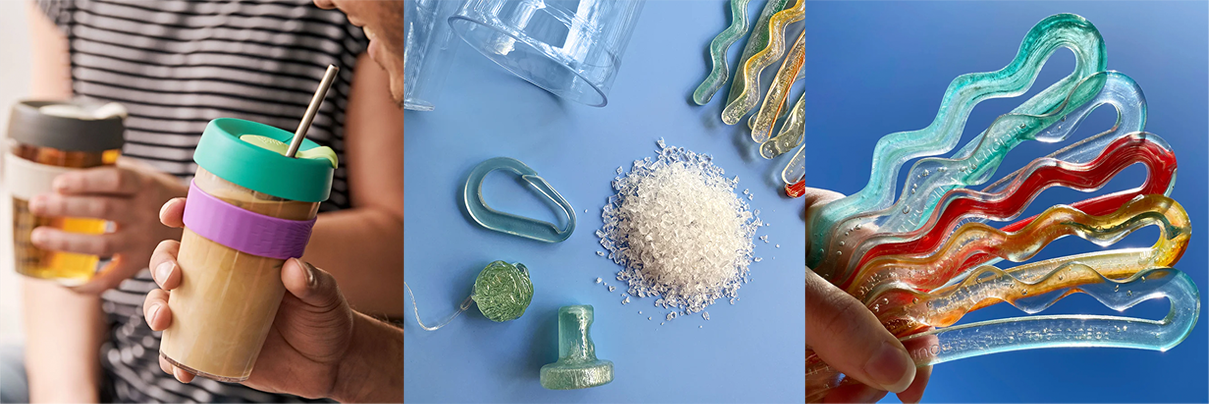
One example is their work with KeepCup. When KeepCup was told that the ”Tritan Copolyester” plastic used in its transparent products could not be recycled, they reached out to Precious Plastic Melbourne.
The team got to work running experiments on a supply of the clear cups, testing and analyzing the results. They discovered that special steps needed to be taken for shredders to handle the hardness of the plastic, and then additional steps were required to prepare pellets for use in injectors or extruders – but it was in fact possible to recycle it!
With that information, KeepCup was able to scale up an internal recycling operation which led them to recycle 8 years worth of collected cups. The plastic that came from that process was then used on a whole new line of products, creating a fully circular system.
Impact So Far
306 recycling machines supplied to organisations in Australia and beyond.
92 education clients.
927,760 students have been introduced to plastic recycling.
6000+ kilograms of plastic turned into new products.
10,000+ kilograms of CO2 diverted from entering the atmosphere.
69 other collaborations.
These numbers continue to grow as more people get involved.
What’s Next?
“Our future is defined by a relentless focus on innovation, not imitation.” - Precious Plastic Melbourne
Precious Plastic Melbourne is focused on improving their machines, expanding education programs, and supporting a growing network of micro-recyclers across Australia.
Their vision goes beyond one workshop or one city. It’s about helping communities take control of their own plastic waste — and showing that real change can start small.
As supporters of Precious Plastic “Version 5,” the team is also contributing to the next generation of machine designs and open-source tools for the global community.
How you can help
What started with a simple blueprint has grown into a plastic-recycling movement across Australia. You can help keep these resources free and accessible to everyone by supporting Version 5, today!
⚡ Support Version 5 today ⚡